
Sax-Zim Bog Birding
8793 Owl Avenue, Meadowlands, Minnesota 55765, United States
Family Friendly
About Sax-Zim Bog
Long known among serious birders as THE place to find northern owls and finches in winter and warblers and other boreal birds in summer, the Sax-Zim Bog is a “magic mix” of habitats that attracts a unique array of species not found in other parts of the United States.
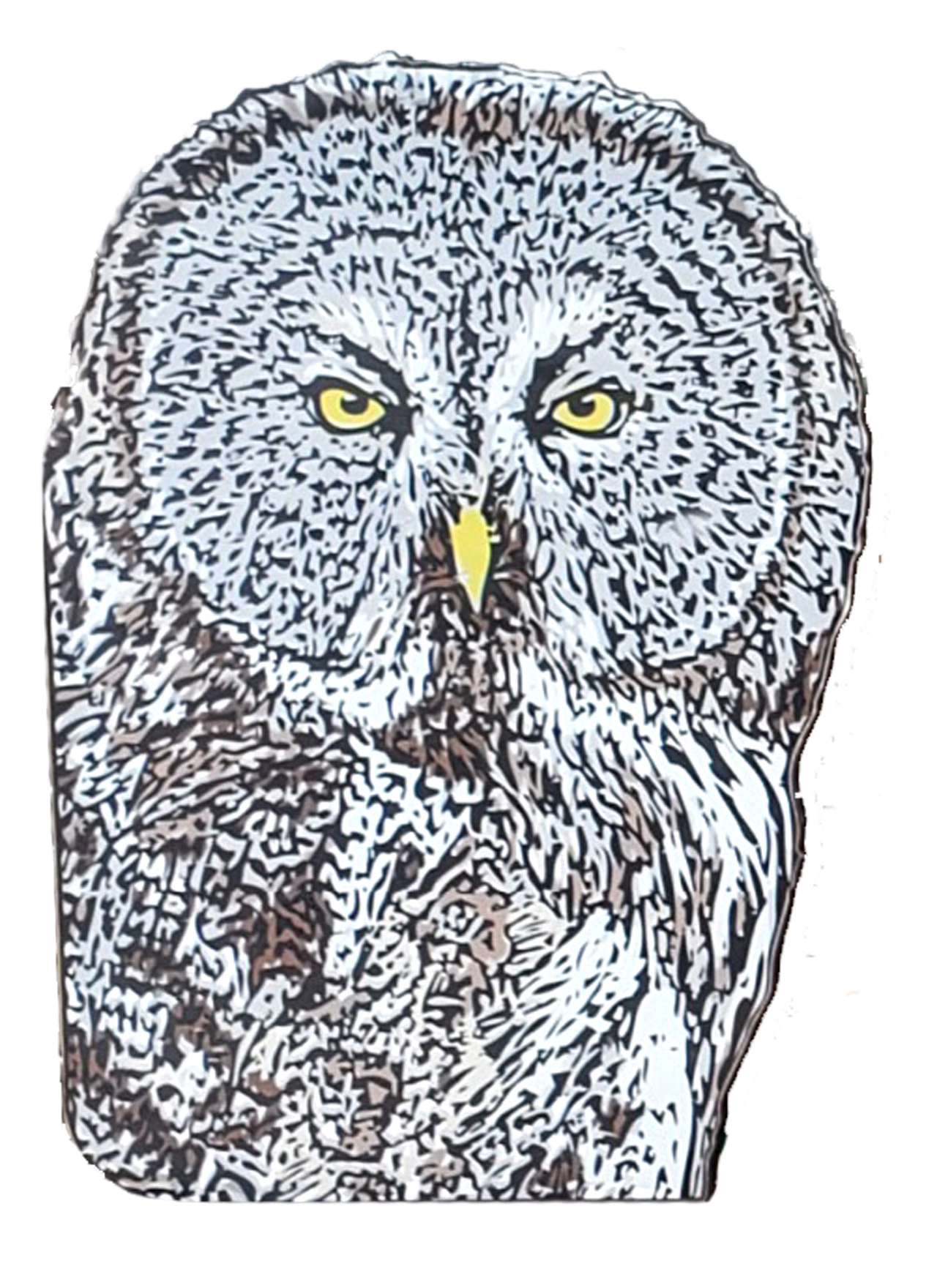
Encompassing an area of more than 300 square miles that spans from Zim in the north to nearly Floodwood in the south, and from the Toivola Swamp east to Stone Lake and US HWY 53, the land within these loose boundaries contains not only black spruce and tamarack bog, but upland aspen/maple forests, floodplain forest, sandy upland pine stands, rivers, lakes, farms, meadows, and towns. This is the magic mix that makes the area so attractive to so many different species. Great Gray Owls, for example, can find the large tracts of unbroken bog forest they require for nesting, but also the open meadows they need for hunting Meadow Voles in winter.
About Sax-Zim Bog
Long known among serious birders as THE place to find northern owls and finches in winter and warblers and other boreal birds in summer, the Sax-Zim Bog is a “magic mix” of habitats that attracts a unique array of species not found in other parts of the United States.
Encompassing an area of more than 300 square miles that spans from Zim in the north to nearly Floodwood in the south, and from the Toivola Swamp east to Stone Lake and US HWY 53, the land within these loose boundaries contains not only black spruce and tamarack bog, but upland aspen/maple forests, floodplain forest, sandy upland pine stands, rivers, lakes, farms, meadows, and towns. This is the magic mix that makes the area so attractive to so many different species. Great Gray Owls, for example, can find the large tracts of unbroken bog forest they require for nesting, but also the open meadows they need for hunting Meadow Voles in winter.