
From Target to Test
March 2, 2010 • Voyageur Press
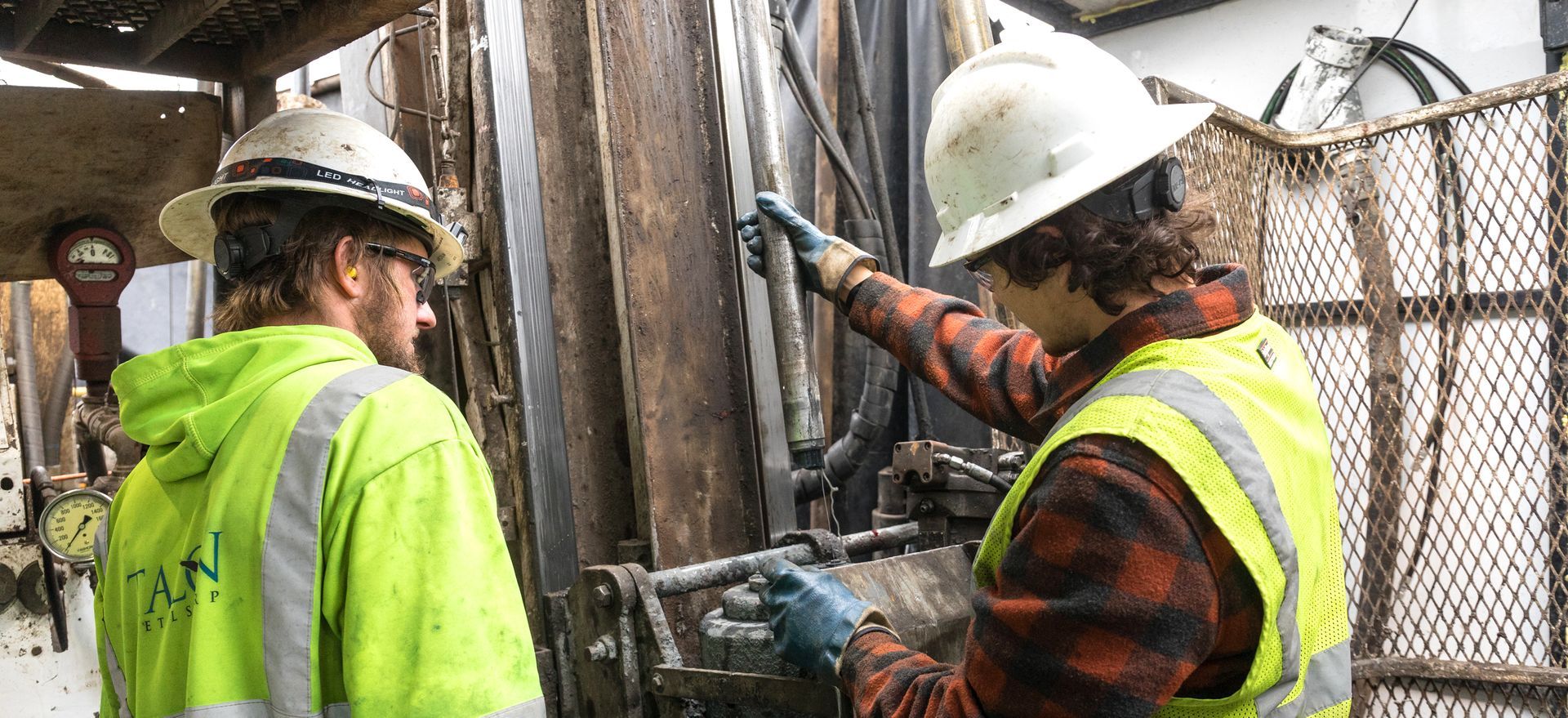
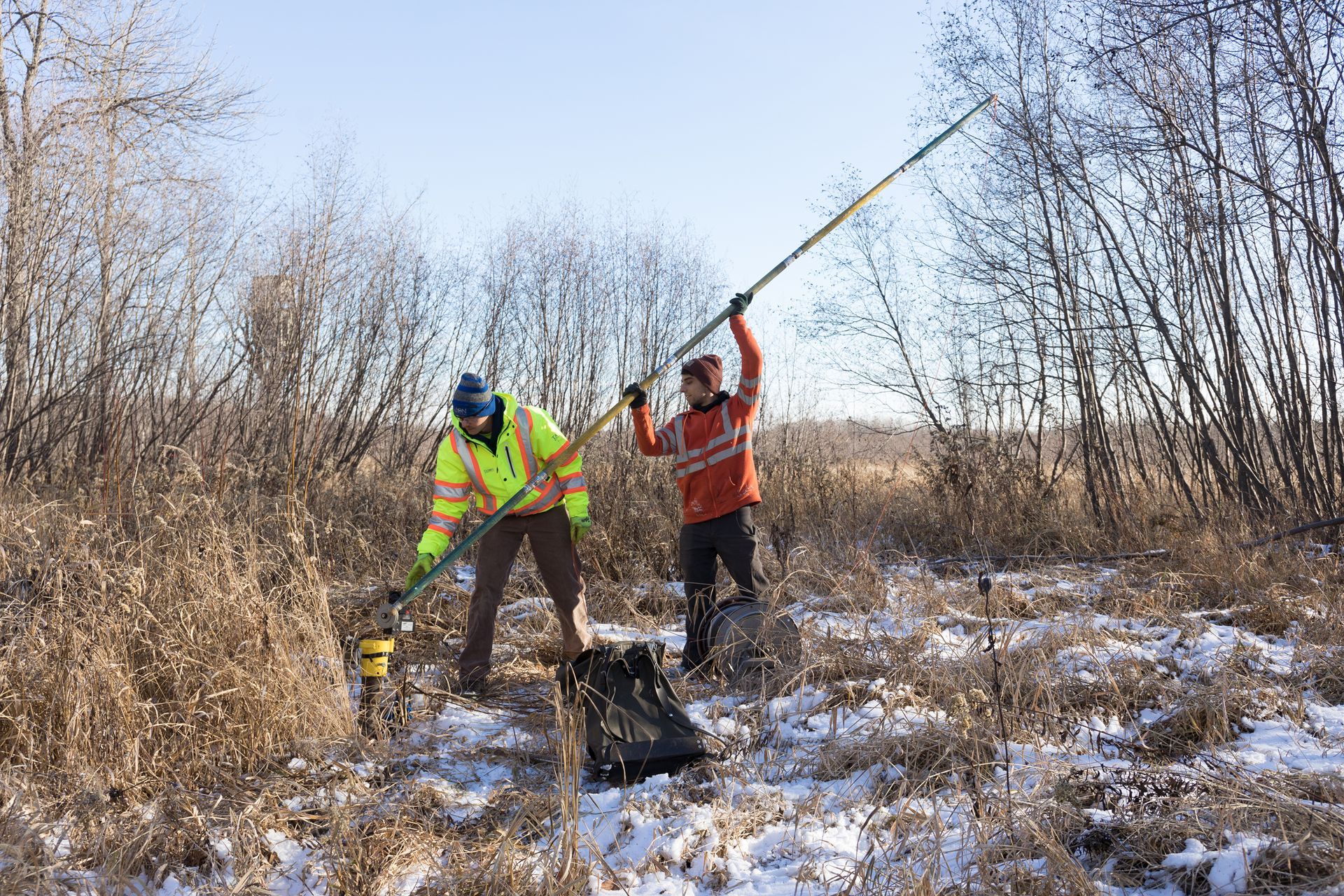
From Target to Test, mineral explorations are once again at full tilt in the Tamarack area. For the last nine years, a team from Kennecott Exploration (part of Rio Tinto) has been searching the Tamarack area for valuable traces of mineralization, specifically nickel and copper. Project Manager Robert Peter shared the process Kennecott takes while exploring and also the current state of the project.
“Exploring for mineralization is a complicated process that requires many qualified individuals,” stated Robert. “However, it can be simplified into a few understandable steps, from target to test.”
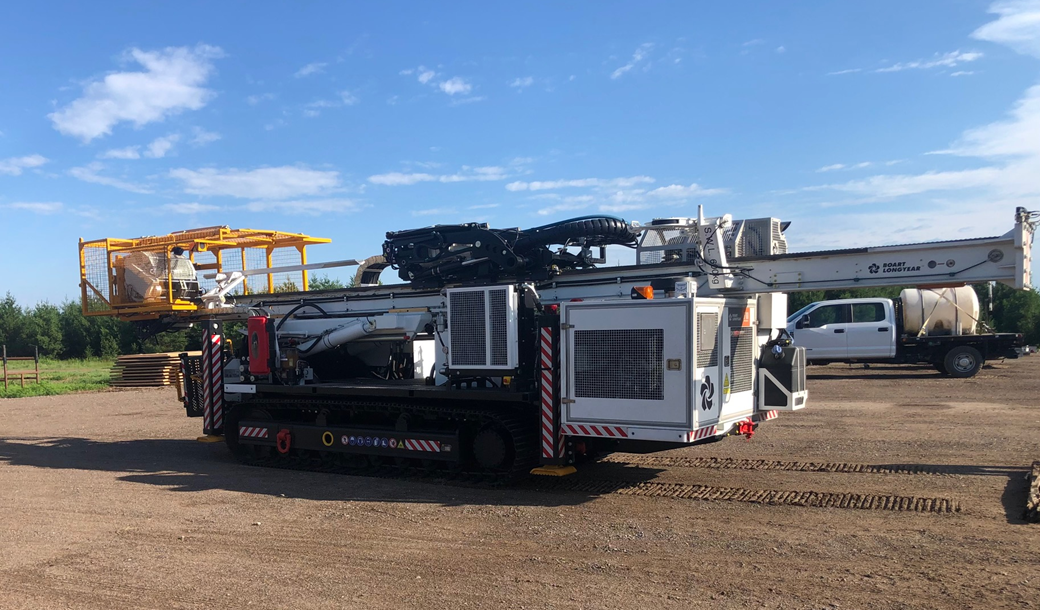
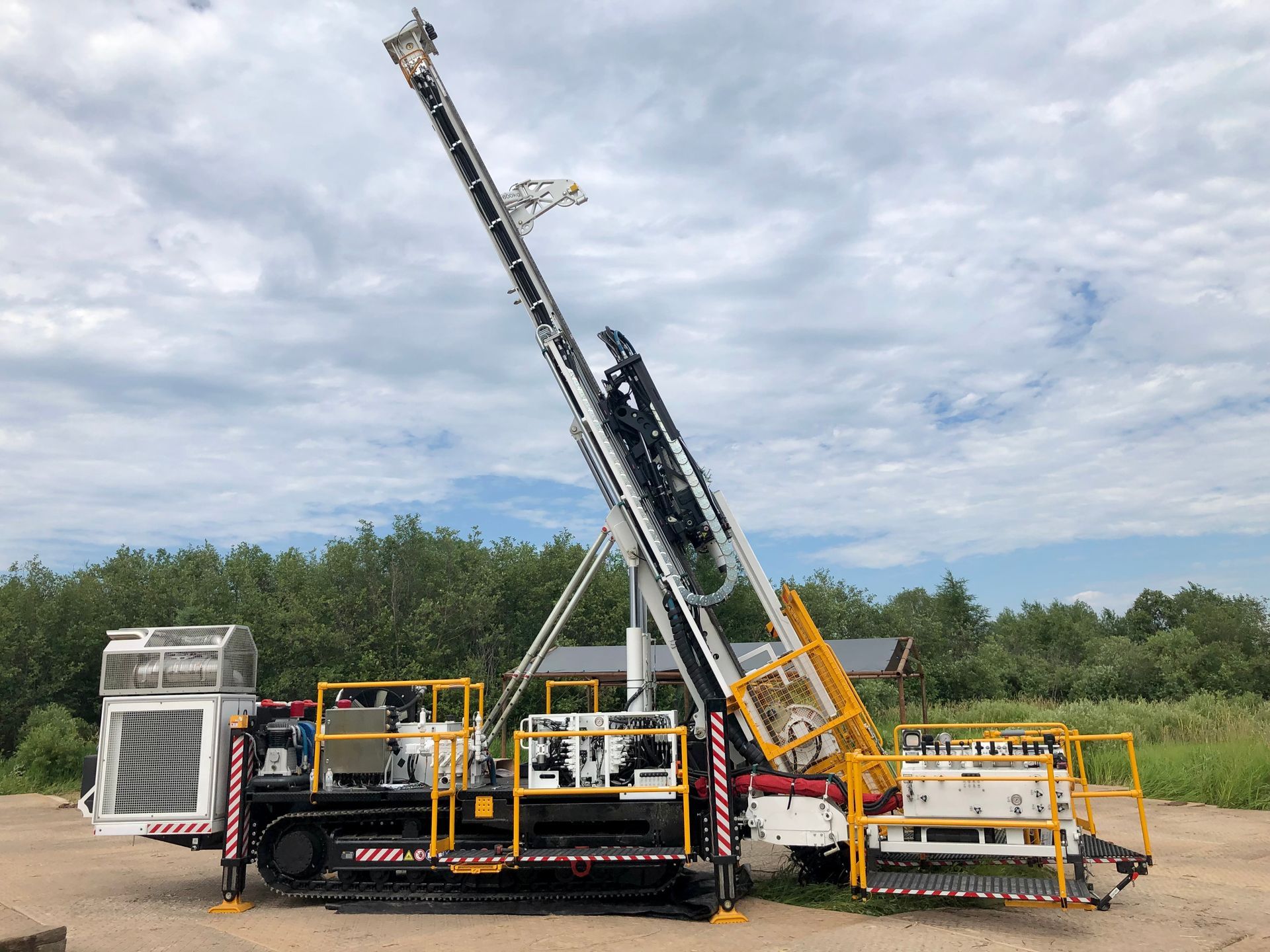
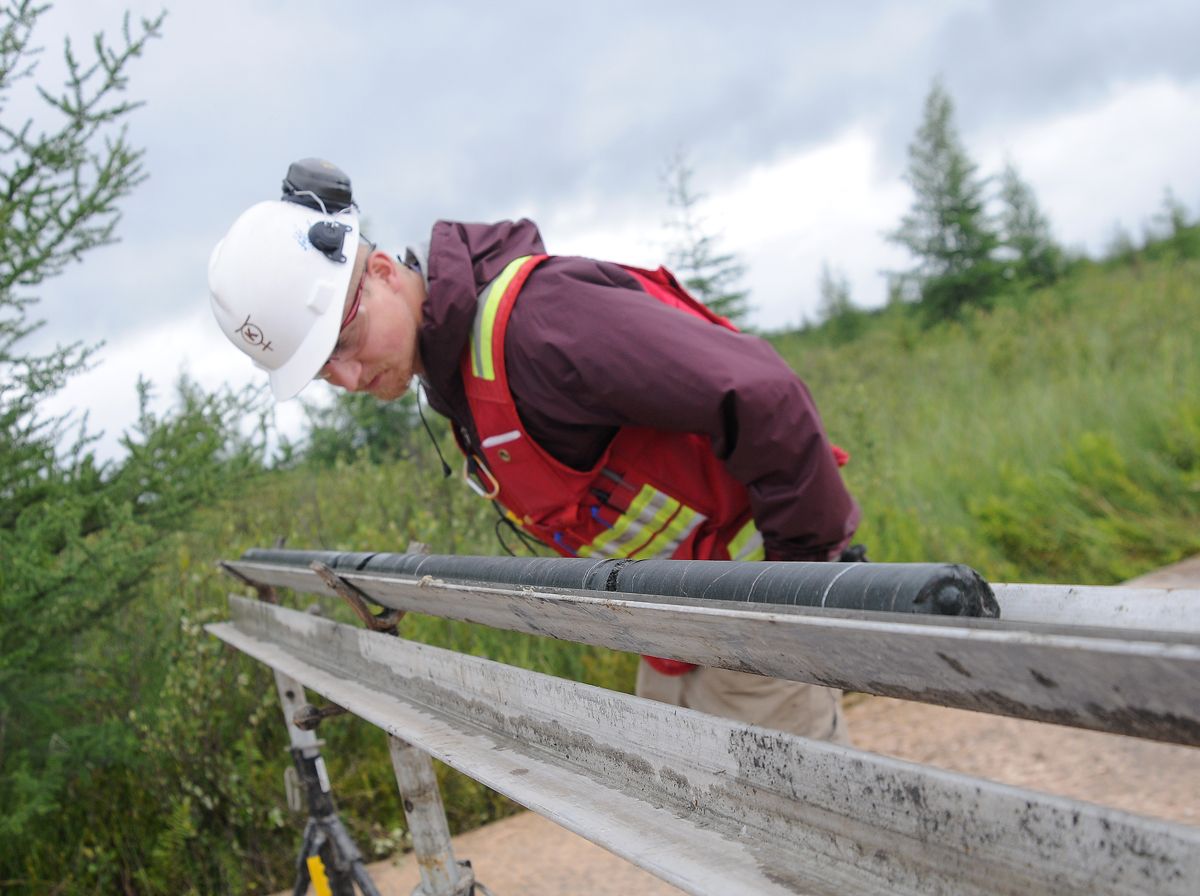
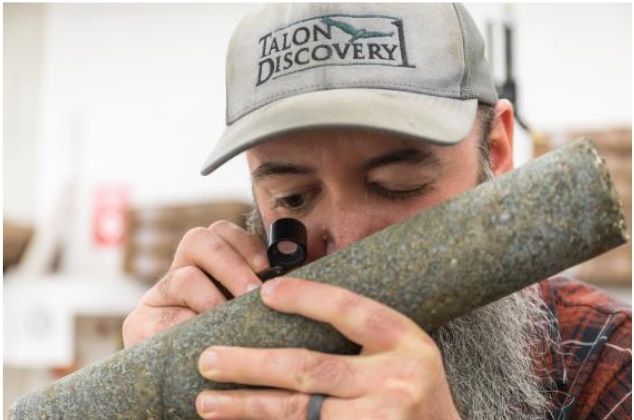
“That is what we do. We have a target, we go and drill to understand it and to see what it is about. Once we have collected the drill core, we examine and log it and send samples to a laboratory for analysis. When we get the results back, that is the test. That tells us whether or not we are drilling in the right place, and where the project is moving.”
This begs the question, where is the project moving?
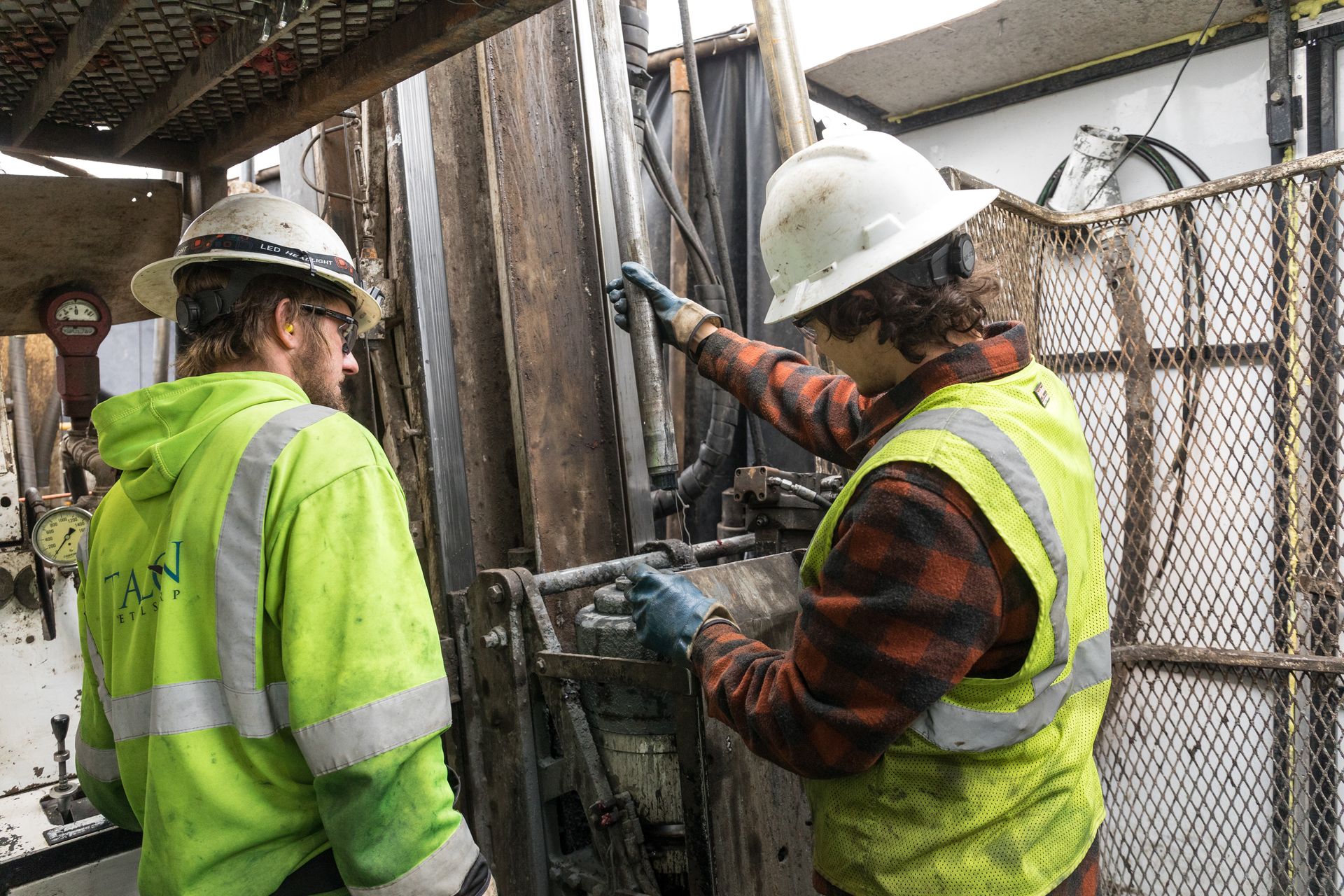
Similar to winters past, Kennecott has stepped up the exploration project during the winter months. The frozen ground allows the crews to work more efficiently. This winter, they have drilled 21 holes and are still looking for good mineralization in order to push the project into the next stage.
“This winter has been our most comprehensive program,” pointed out Robert. “We are very curious to understand what the potential is. In 2008, we drilled a very encouraging hole, and we followed that up with our busiest summer. There is still an awful lot of ground that remains untested. We are very keen to retain the momentum of the project.”
One new endeavor on which Kennecott is currently embarking is the purchase of land. “We have a number of agreements with private landowners, some of which include options to purchase,” explained Robert. “At the moment we don’t own any land. However, on the two properties where we have done the most work, we have informed the landowners we would like to exercise these options. Hopefully we will complete this process towards the end of the year.
“For our activities in Section Three of Clark Township to move ahead, we will need to complete much more drilling and in places that would be a significant burden on the landowner,” continued Robert. “We feel at this stage in the project this is the appropriate time, and will be beneficial to all parties”
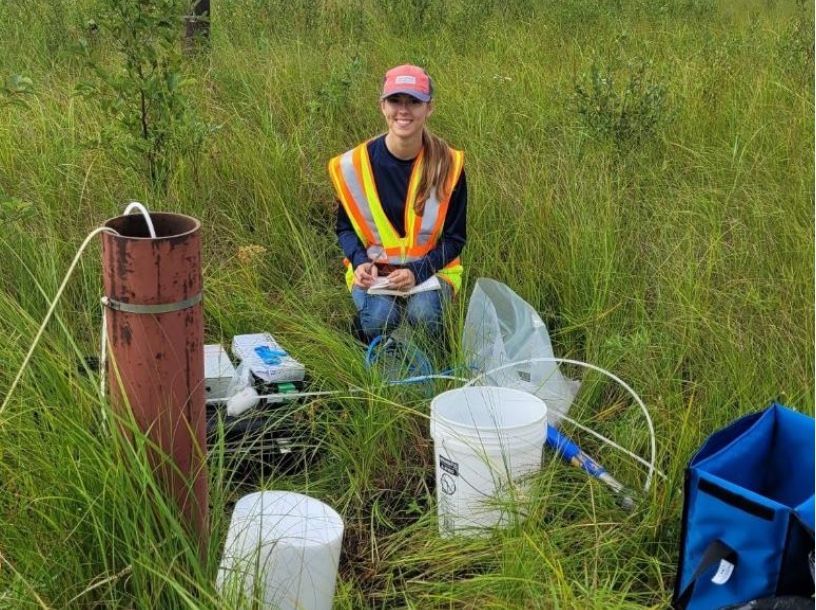
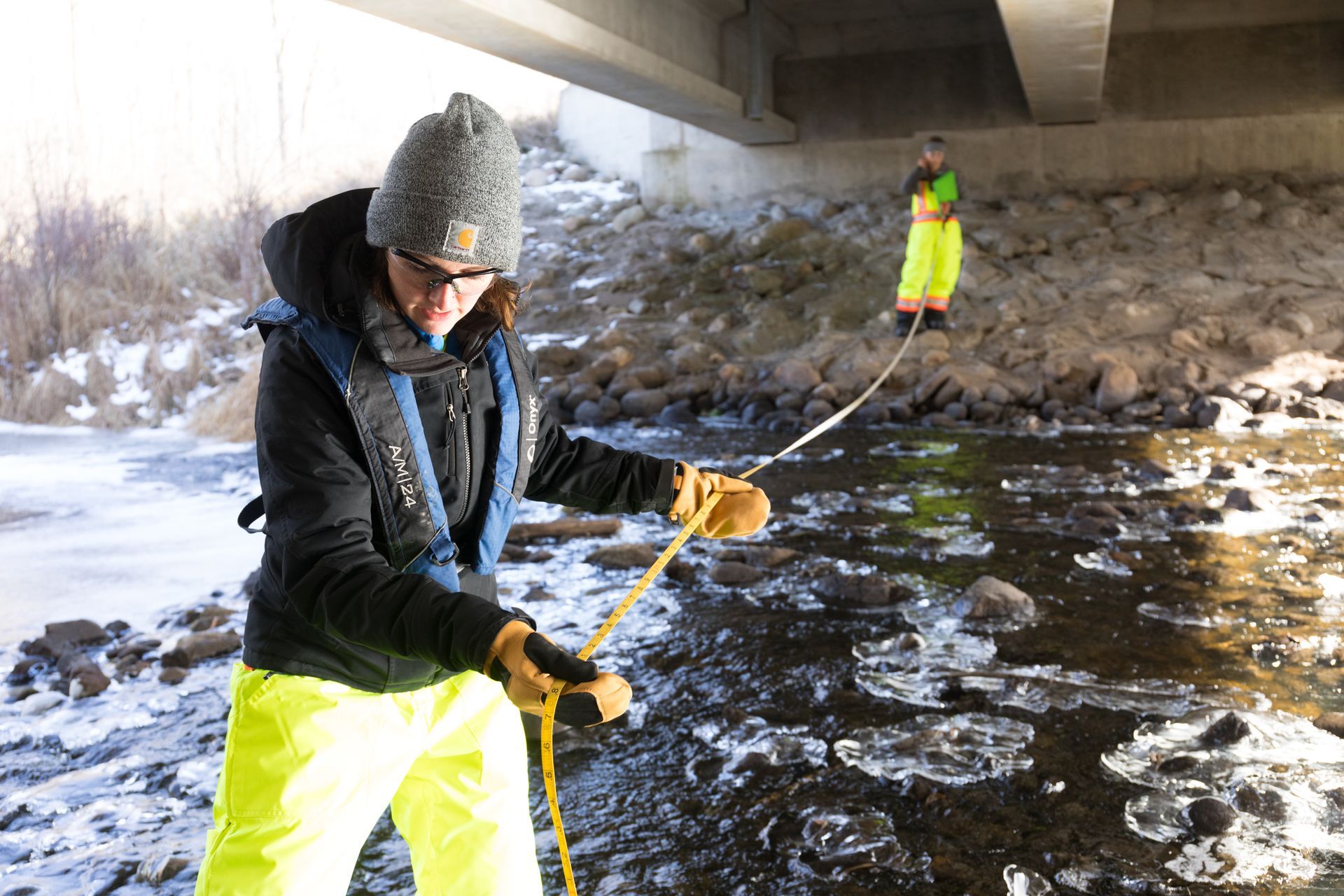
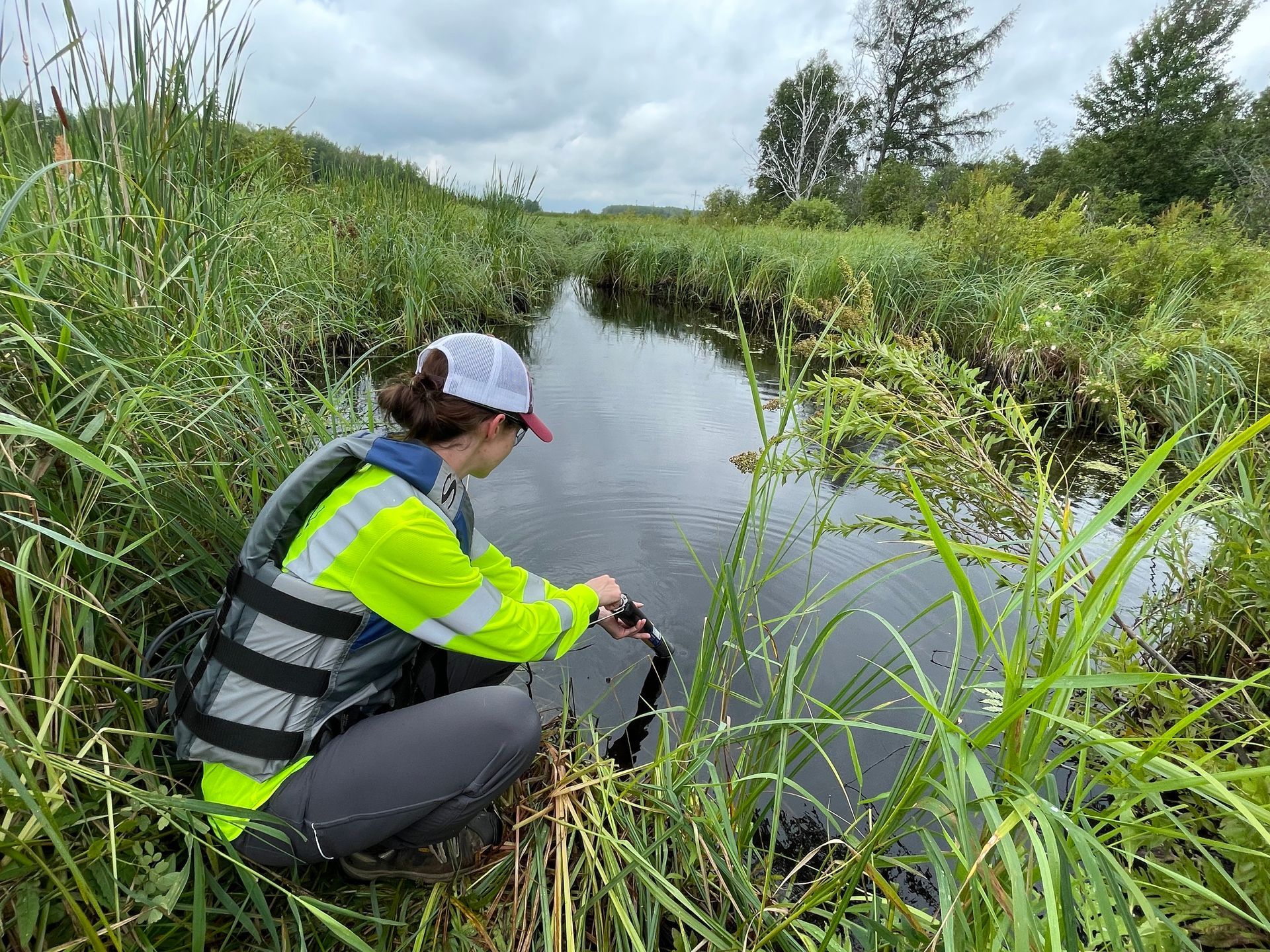
Kennecott has also been working on another important area of the project. That is establishing an environmental baseline dataset. “Since 2006, we have taken samples from lakes, streams and groundwater to test,” declared Robert. “In this area with all the lakes, streams and rivers, we are aware that environmental concerns are paramount. That’s why we are so determined to establish a good baseline record.”
Stay tuned to next week’s issue of the Voyageur Press for a complete look at the environmental baseline process.
As the winter slowly fades away, Kennecott will once again be slowing their drill rigs. However, they are looking forward to more exploration and discoveries in the months and years ahead. They can be contacted at any time with any questions at their office in Tamarack.
About Talon Metals
Want to learn more about Talon Metals? Find their location, hours, contact information, and more about the organization and what they offer.
Upcoming Events
Click on an image to view it larger
More Articles about our Community Cornerstone: Talon Metals
2010 - From Target to Test
March 2, 2010 • Voyageur Press
From Target to Test, mineral explorations are once again at full tilt in the Tamarack area. For the last nine years, a team from Kennecott Exploration (part of Rio Tinto) has been searching the Tamarack area for valuable traces of mineralization, specifically nickel and copper. Project Manager Robert Peter shared the process Kennecott takes while exploring and also the current state of the project.
“Exploring for mineralization is a complicated process that requires many qualified individuals,” stated Robert. “However, it can be simplified into a few understandable steps, from target to test.”
“That is what we do. We have a target, we go and drill to understand it and to see what it is about. Once we have collected the drill core, we examine and log it and send samples to a laboratory for analysis. When we get the results back, that is the test. That tells us whether or not we are drilling in the right place, and where the project is moving.”
This begs the question, where is the project moving?
Similar to winters past, Kennecott has stepped up the exploration project during the winter months. The frozen ground allows the crews to work more efficiently. This winter, they have drilled 21 holes and are still looking for good mineralization in order to push the project into the next stage.
“This winter has been our most comprehensive program,” pointed out Robert. “We are very curious to understand what the potential is. In 2008, we drilled a very encouraging hole, and we followed that up with our busiest summer. There is still an awful lot of ground that remains untested. We are very keen to retain the momentum of the project.”
One new endeavor on which Kennecott is currently embarking is the purchase of land. “We have a number of agreements with private landowners, some of which include options to purchase,” explained Robert. “At the moment we don’t own any land. However, on the two properties where we have done the most work, we have informed the landowners we would like to exercise these options. Hopefully we will complete this process towards the end of the year.
“For our activities in Section Three of Clark Township to move ahead, we will need to complete much more drilling and in places that would be a significant burden on the landowner,” continued Robert. “We feel at this stage in the project this is the appropriate time, and will be beneficial to all parties”
Kennecott has also been working on another important area of the project. That is establishing an environmental baseline dataset. “Since 2006, we have taken samples from lakes, streams and groundwater to test,” declared Robert. “In this area with all the lakes, streams and rivers, we are aware that environmental concerns are paramount. That’s why we are so determined to establish a good baseline record.”
Stay tuned to next week’s issue of the Voyageur Press for a complete look at the environmental baseline process.
As the winter slowly fades away, Kennecott will once again be slowing their drill rigs. However, they are looking forward to more exploration and discoveries in the months and years ahead. They can be contacted at any time with any questions at their office in Tamarack.
2006 - Heavy metal discussions
March 2, 2010 • Voyageur Press
The conversations in Tamarack about mining explorations the past few years have been quite subtle. Not surprising, since very few residents are certain the Kennecott Exploration Company has found what they are looking for – precious metals such as nickel, copper and gold.
Those conversations have picked up as of late since it has come to the attention of the local residents that the possibility of a mining operation near Tamarack could be a reality. The million-dollar question is whether this is good for the area.
Recently, an application was submitted to the Aitkin County Planning Commission to rezone Farm, Residential, Open and Shoreland properties alongside Douglas and Nelson lakes with a Conditional Use Permit for mineral exploration activities. A Public Hearing has been set for Monday, May 15, 2006 at 4:00 p.m. at the Aitkin County Courthouse.
News traveled fast about this hearing, especially after local residents Dr. Gene and Carol Grossman looked into the mining operations a bit further. The couple lives adjacent to the proposed site for mining and decided to do a little research on this type of mining. What they discovered has become cause for concern to local residents.
“24,” said Gene. “We are right adjacent to the mine site. But I haven’t worried about it. They (Kennecott) have been drilling for three years. We watched them drill all winter long, sometimes 24 hours a day, using lights. I figured, if there’s going to be a mine, there’s going to be a mine and it didn’t bother me that much.”
Gene and Carol changed their mind after they received the Notice to Review a Conditional Use Permit. They decided it was time to do a little research on the Internet. Gene is a professor of Experimental Psychology and Statistics at the University of Minnesota-Duluth. His job is to train students on how to design, conduct and evaluate research data. “As a trained scientist, it is important to look for evidence and data that is factual,” he said. “So I got on the Internet, because I should learn something about this. I Google searched ‘Nickel mining operations in Minnesota’ and came up with 365,000 references.”
Gene and Carol were horrified with what they found and what could happen to neighboring properties and the Big Sandy Watershed if this project were allowed to proceed. “I couldn’t believe what I found out about this company (Kennecott) and this type of mining operation.”
“It’s called hard rock mining or sulfide mining,” Gene explained at the Township meeting. “They are looking for nickel, copper and gold. All those minerals are in sulfide ore 1,000 to 2,000 feet below the surface on these properties. Whenever any mining company has brought sulfide ore up to the surface, the sulfur in that ore interacts immediately with the water and the air and turns into sulfuric acid. We know that as battery acid.”
Gene then went on to add that once the process starts, it can’t be turned off. The soil and water will be contaminated once the sulfide ore is brought to the surface. “I’ve gone through about 500 articles so far,” added Gene. “The water and the soil pollution has always occurred with that type of mine. There has never been an incident where it didn’t pollute the land or the water around it.”
To make things worse, the information Gene found stated that mining technology does not exist today to sulfide mine without polluting.
Aitkin County Commissioner Brian Napstad is aware of the mining explorations taking place in Clark Township. He shared that they first learned the impetus for a Conditional Use Permit began about 90 days ago. “Two representatives from Kennecott showed up at the court house to ask whether or not they needed any particular permits for the exploration activities that they were undertaking,” said Brian.
“Our mining ordinance doesn’t differentiate between exploration and mining,” added Brian. “Probably because the mining ordinance that we have assumes that if there is gravel or sand there, it’s there. You’re not really exploring, you’re extracting.”
Brian then noted that there is some question as to what to tell Kennecott.
Terry Neff from Aitkin County Environmental Services contacted the state and discovered that the Department of Natural Resources (DNR) for the most part owns the mineral rights and a Conditional Use Permit (CUP) from the county might not be necessary. “However,” Brian added, “the mining ordinance in Aitkin County does require a CUP. So, that is why the CUP application is in front of you now. That’s how it got to this point today.”
Gene’s main concern has been getting the information out to the area residents and finding out if Kennecott has any evidence that contradicts any of these conclusions he has read on the Internet. “I’m a scientist and I have been teaching students how to be scientists at the University of Minnesota-Duluth for 30 years,” noted Gene. “Before that, eight years as a Research Psychologist in the United States Army.”
“I don’t believe what people say, because people can say anything that they want to. And that’s what they will do at this hearing,” Gene continued “What I believe, is evidence or data or things they can show us to demonstrate that what they tell us is true.”
Based on the information that was presented at the Township meeting, the board of supervisors passed a resolution to oppose the granting of the CUP due to the many pollution concerns which may result from this type of mining.
The primary concern from the Clark Township residents is to learn more about the mining process and get the facts.