
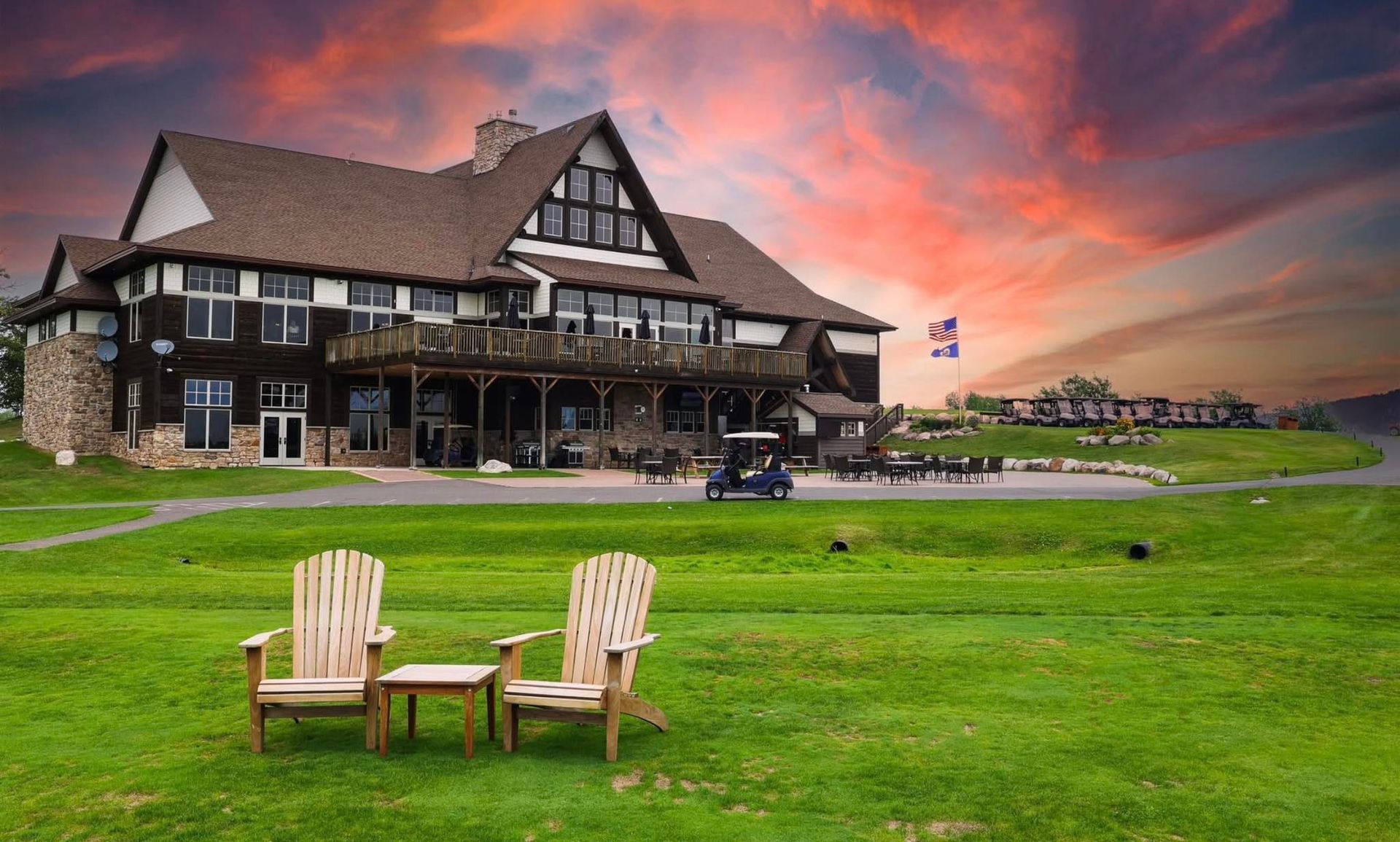
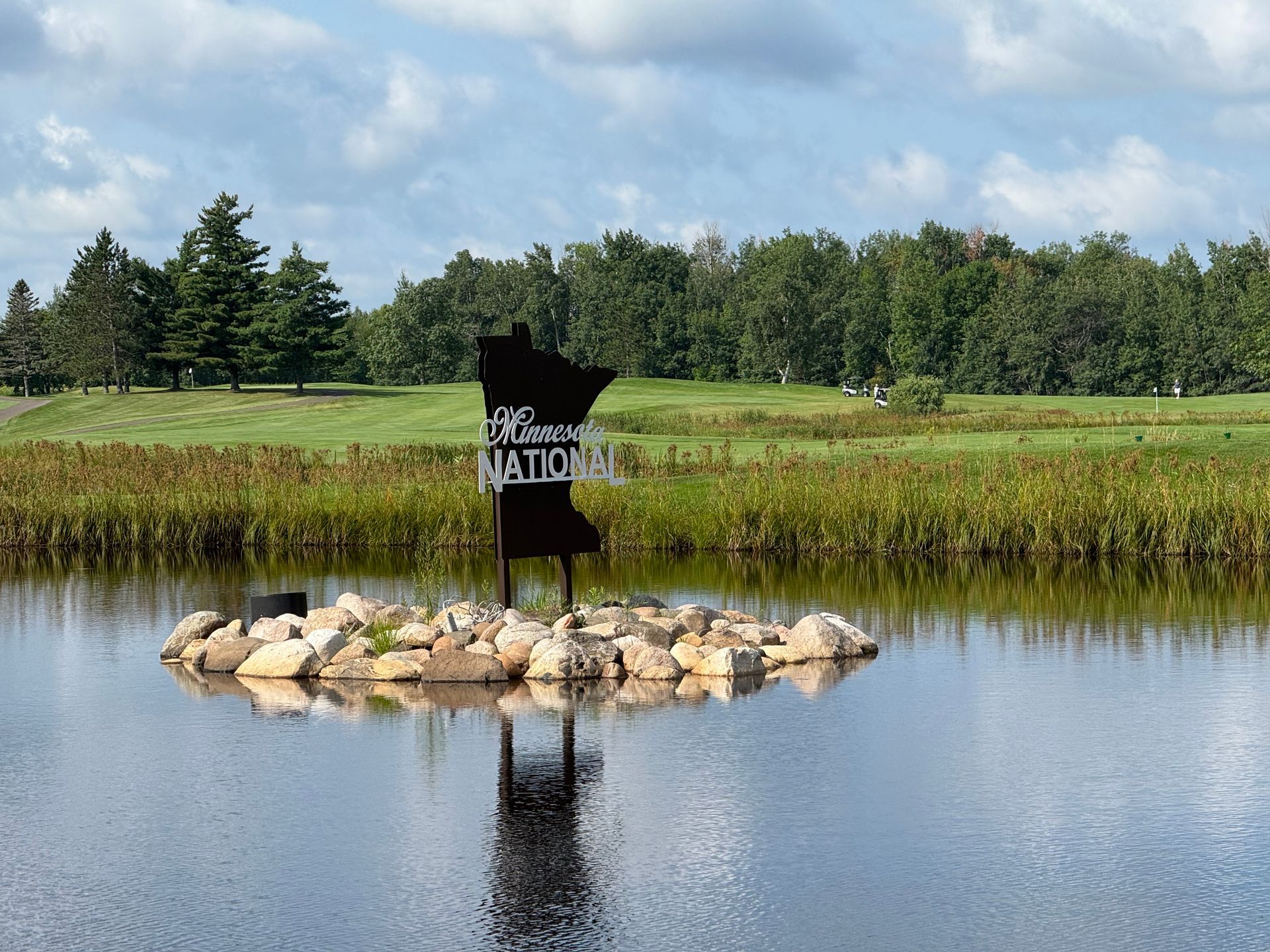
Minnesota National Golf Club & Resort (formerly Savannah Golf Course) - A Diamond in the Rough
Who would have thought that putting more holes in the ground—for a little white ball to fall into—could cause such a ruckus? While that statement is an obvious oversimplification of the issue, for many, that’s what it boils down to. On one hand are citizens concerned about the project’s impact on wetlands, wildlife habitat, and the environment. On the other is the owner—confident that every effort is being made to preserve as much of the natural landscape as possible while expanding the facility.
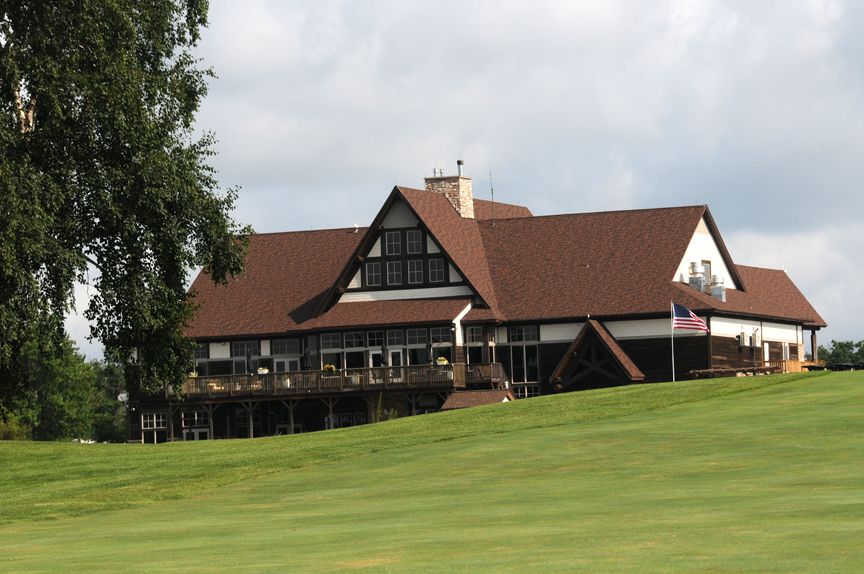
Savanna is located north and west of McGregor, off Highway 232. For many years, it has been a basic nine-hole course—nothing flashy or remarkable, except for its magnificent scenery.
The Dream...
Enter JoAnne and Wayne Alden. Wayne, who grew up in Palisade, has always loved the area. Over their 34 years of marriage, JoAnne—a native of Montana—has spent much of that time here with their daughters.
“This is something he’s always wanted to do,” JoAnne explained. “It’s a dream of his.”
Because of his connection to the area, Wayne’s vision was not only personal but also community-minded. “We think this is the project that will draw people here,” JoAnne added.
The couple purchased the 591-acre site in 1992. The property is owned by JoAnne M. Alden, who also serves as president of Savanna Golf & Supper Club, Inc. (now known as Minnesota National Golf Course). A farm on the northeastern corner of the property—referred to as the Smith farm—was also acquired.
About five years ago, expansion plans began. Working with an architect and a wetland engineer, the Aldens designed a 27-hole course, along with residential housing units and a marina slip on Flowage Lake for mooring boats.
A Question of Development...
Is it wise to alter the natural environment and fill wetlands for a golf course?
In an article titled “Keeping the GREEN in Lake Country’s Golf Scene,” written by Mike Rahn for the Lake Country Journal (May/June issue), this very question is explored.
“Is a golf course perhaps more desirable than converting the land to home sites?” asks Lonnie Thomas, a Minnesota DNR hydrologist. “Development is going to happen here. At least, as a golf course, it remains open, green space.”
Thomas notes that golf courses can be designed to be environmentally responsible. The Audubon Society, for example, offers a designation for courses that incorporate natural vegetation buffers, minimize runoff, and strive to reduce environmental impact.
Savanna plans to pursue this designation, which would require adherence to strict guidelines regarding chemical use and habitat preservation. In that context, concerns about eagle nests have also been raised. While none are currently known on-site, Savanna has stated it will take care to avoid disturbing any discovered nesting areas, as well as migratory bird routes and habitats.
Savanna Golf has enlisted Curtis Sparks, P.E., of North American Wetland Engineering, to assist with the project. According to Sparks, Aitkin County enforces a 1:1 wetland replacement policy—meaning that for every acre of wetlands impacted, one acre must be created.
The Savanna site includes approximately 265 to 280 acres of wetlands, of which only 5.61 acres will be directly affected.
“The Wetland Conservation Act is very strict,” Sparks noted in a telephone interview, adding that he considers himself an environmentalist. He believes the project exceeds requirements, as Savanna plans to create 12 acres of wetlands—more than double what is required.
Additionally, approximately 14 ponds will be constructed for the course. These do not count toward wetland replacement credits and are separate from the 12 acres of mitigation.
Through reflooding previously drained wetlands, creating new ponds, and developing mitigation areas, the Savanna project aims to more than meet environmental standards.
Balancing Development and Impact...
What about other aspects of the development, such as residential housing?
Today, golf courses are rarely built without some form of housing component, as it helps ensure financial sustainability. Condominiums, townhomes, and similar developments provide ongoing revenue to support course operations.
At Savanna, some residents have expressed concern about how these units might affect Flowage Lake. In Aitkin County, the standard setback for residential development is 150 feet from the high-water mark. However, the proposed building sites are located well beyond that—approximately 1,000 feet or more away—on a ridge overlooking the lake.
Nearby stands of virgin pine and other natural features will remain untouched, though they will become more visible as part of the course landscape.
The proposed marina slips have also drawn attention. In 1981, previous owners received a permit to construct a marina at the southwestern end of the property, and dredging was completed at that time.
The current plan includes up to 100 boat slips, though that number reflects full project completion.
“The project will be done in four phases,” Alden explained. “The first phase alone could take up to five years.”
She also noted that it is unlikely all 100 boats would be present at the same time.
Sparks offered additional perspective: “The marina would affect approximately 200 feet of shoreline.” By comparison, if the land were divided into 18 individual lakefront lots—as property owners are legally entitled to do—between 2,700 and 3,200 feet of shoreline could be impacted.
In that light, the proposed marina’s footprint appears relatively minimal.
Jumping Through the Hoops...
With multiple permits required, the project has undergone intense scrutiny. Agencies ranging from the Minnesota Pollution Control Agency (MPCA) to the Historical Society have carefully reviewed the plans.
The design has been revised repeatedly—so often, in fact, that updated maps can barely keep pace.
The goal, according to project leaders, is not to force the environment to fit the course, but to design the course to fit the environment—so that, when complete, it appears as though it has always been there.
This philosophy reflects a broader trend in modern golf course design, where environmental considerations are increasingly central.
Golf course manager and professional Kent Baril commented:
“I helped build another course in the area where, in less than 12 months, they had finished the permit process and were already building. This process has been going on for almost five years...”
He added that regulations have become significantly more rigorous, requiring approval from numerous agencies and legal bodies before construction can begin.
“Every detail will be checked beforehand,” he said.
A Question of Mitigation...
Some public concern has focused on Darryl Bruggman’s alleged involvement in the project, with suggestions of a possible conflict of interest.
Curtis Sparks addressed this during a phone interview:
“I was standing along the road, looking at property for possible wetland mitigation, when someone stopped,” he said. That individual turned out to be Bruggman.
Although the two had seen each other before, they had never formally met. Sparks suggested using Bruggman’s hunting property as a mitigation site.
According to Sparks, Bruggman will receive no financial compensation.
“All I want is the wetland,” Bruggman reportedly told him.
The Diamond...
Savanna’s expansion aims to attract visitors, create jobs, and stimulate the local economy. In an area that has long faced economic challenges, the project may indeed represent a diamond in the rough.
But the central question remains: must natural environments be compromised to achieve economic growth?
Returning to Mike Rahn’s article in the Lake Country Journal, he writes:
“…there is a real sense that the golf community has a desire to be a positive force—a part of the solution rather than a part of the problem. In an area like ours—dependent on a strong environmental image—nothing less will do.”
Amen.
About Minnesota National Golf Club & Resort
Want to learn more about MN National Golf Club & Resort? Find their location, hours, contact information, amenities, and more about what they have to offer.
Upcoming Events
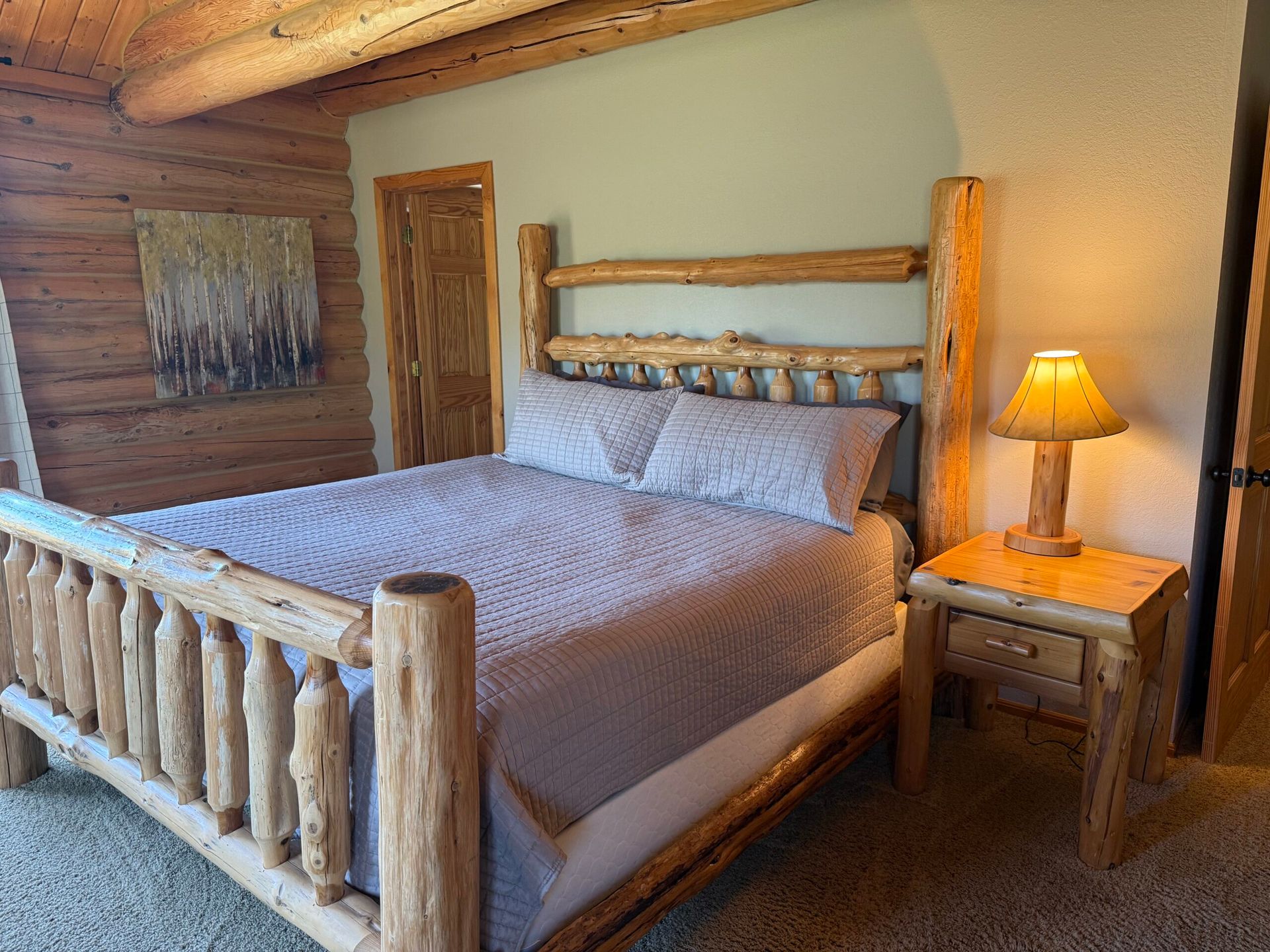
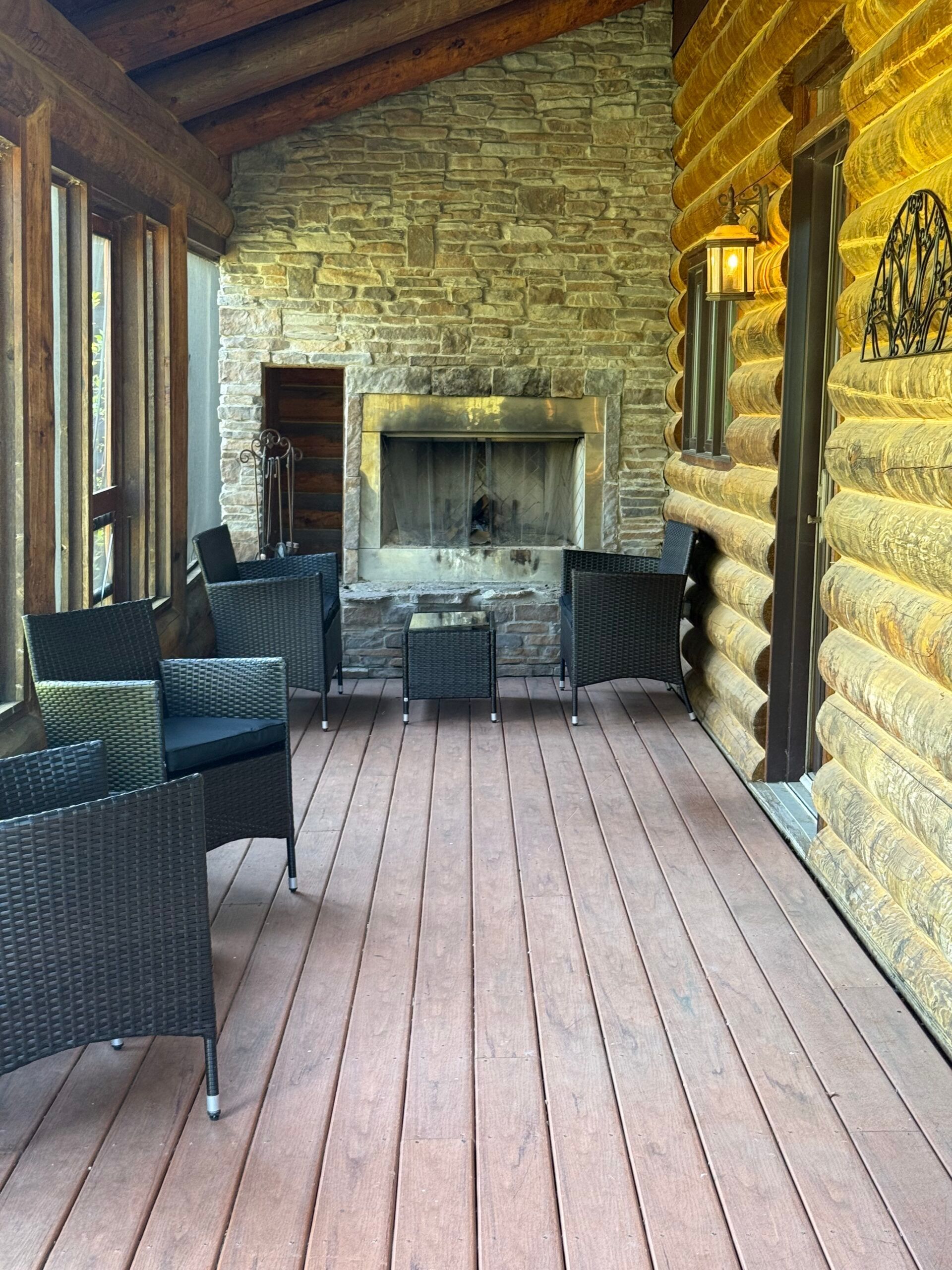
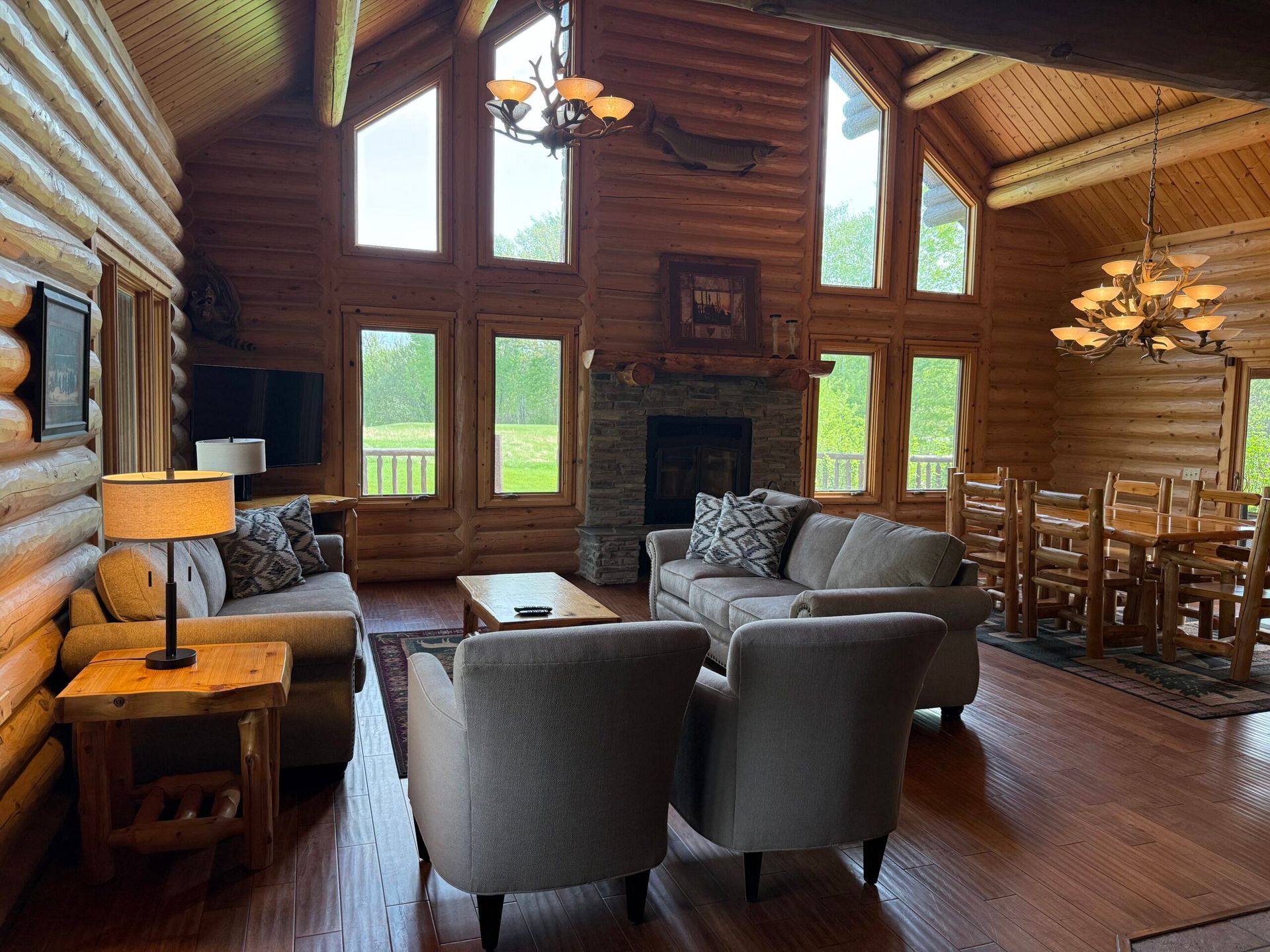
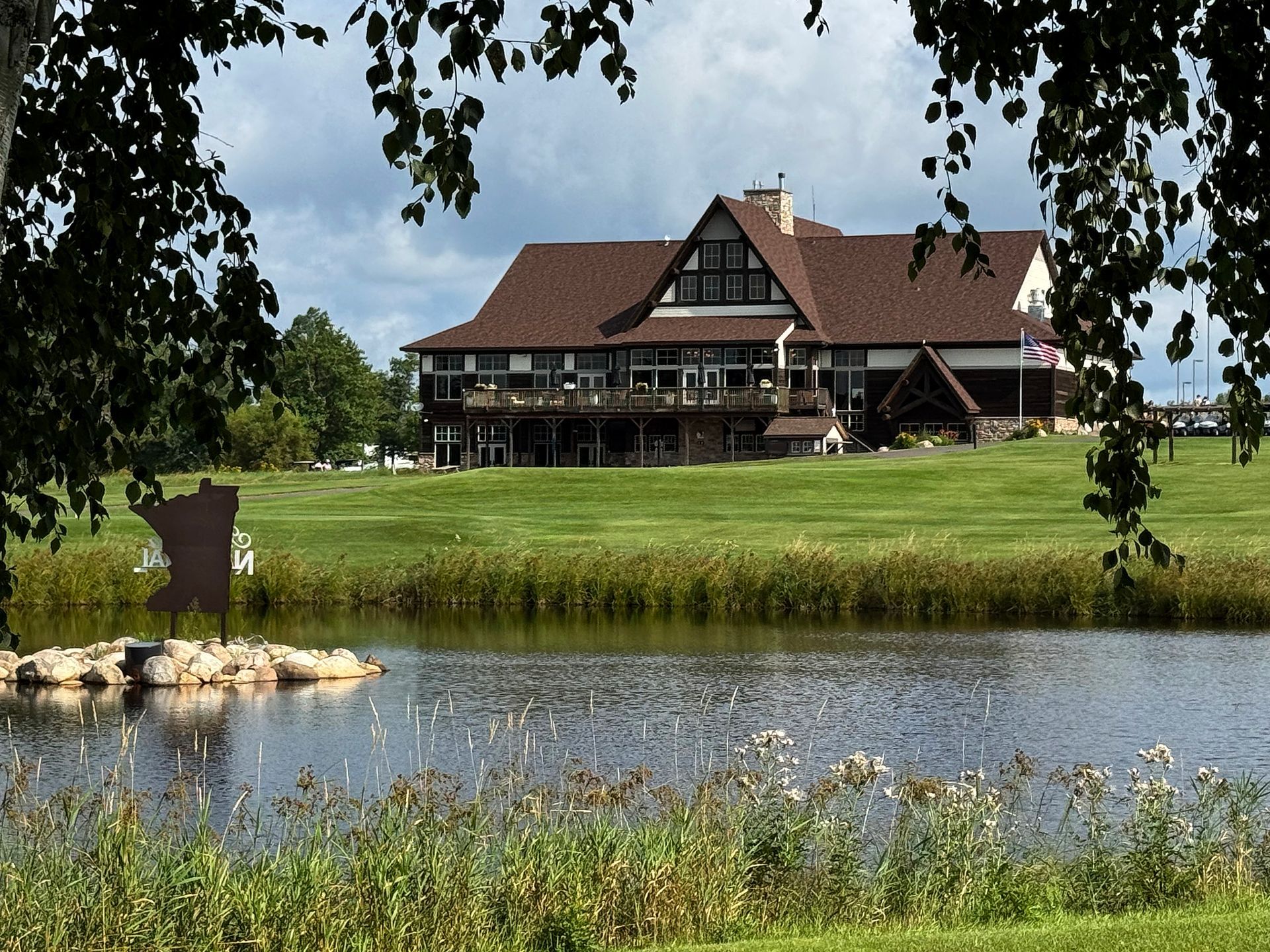
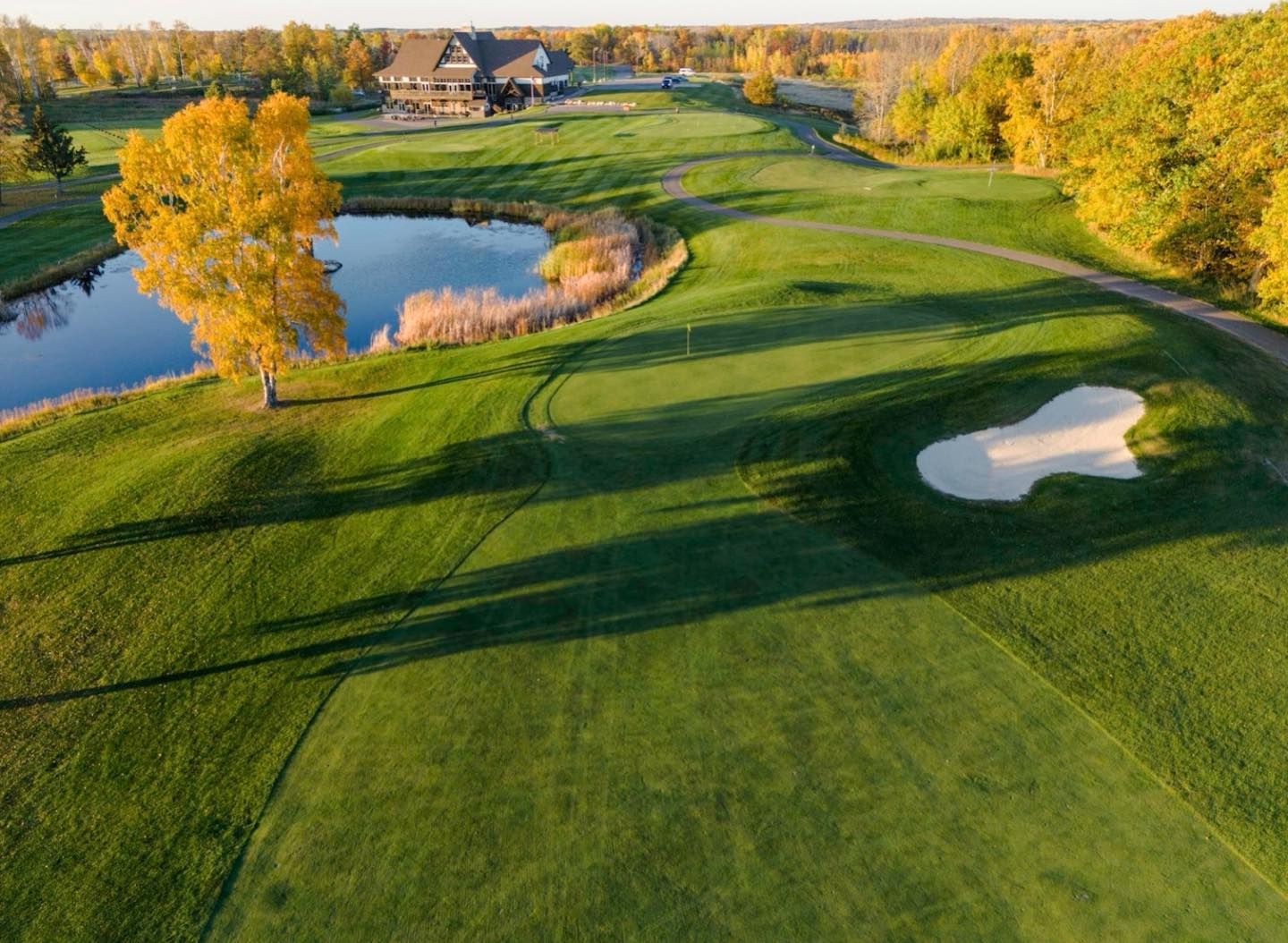
Discover all that Minnesota National Golf Club & Resort has to offer, from championship golf and scenic views to relaxing getaways and year-round events. Whether you're hitting the course, dining with friends, or enjoying a weekend retreat, it’s the perfect destination to unwind and experience the beauty of the Northwoods.
Click on an image to view it larger
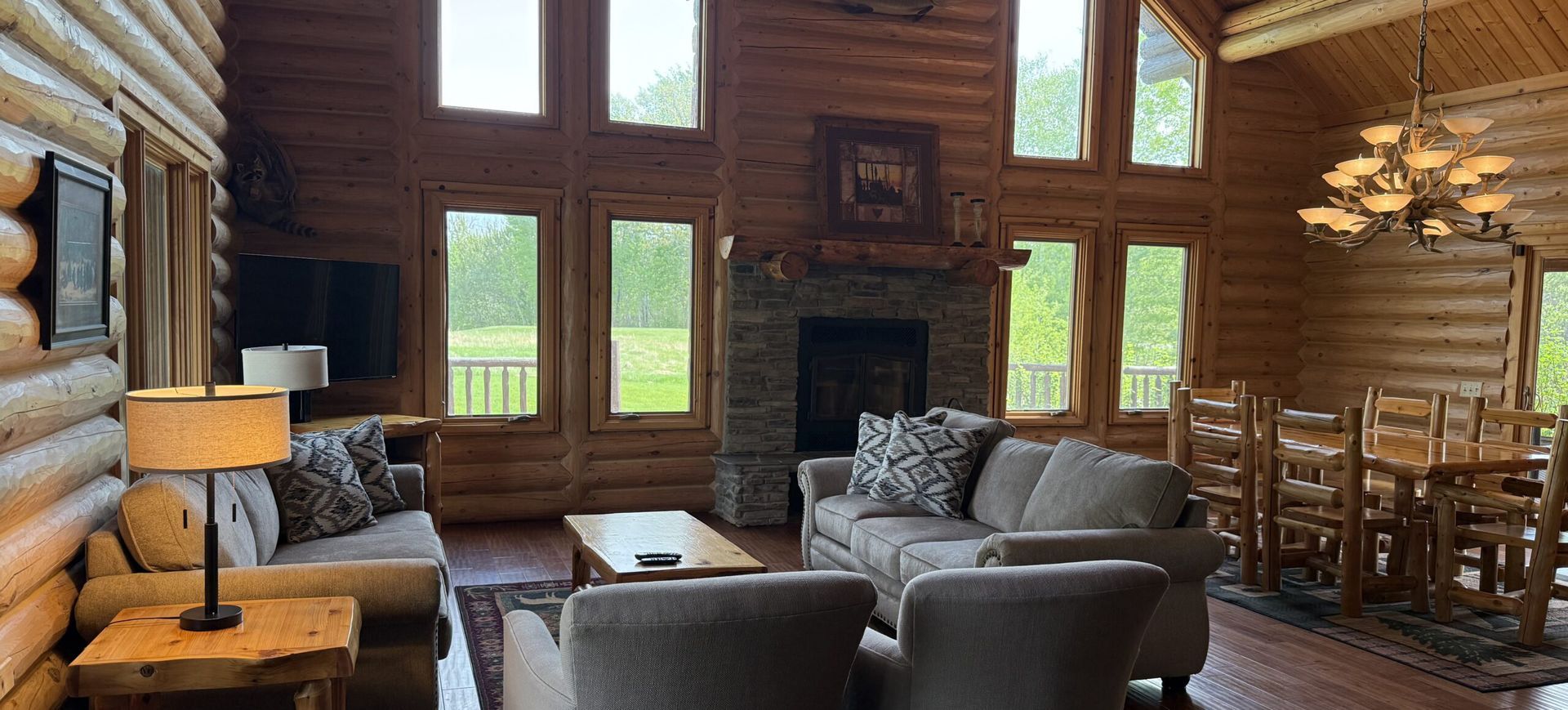
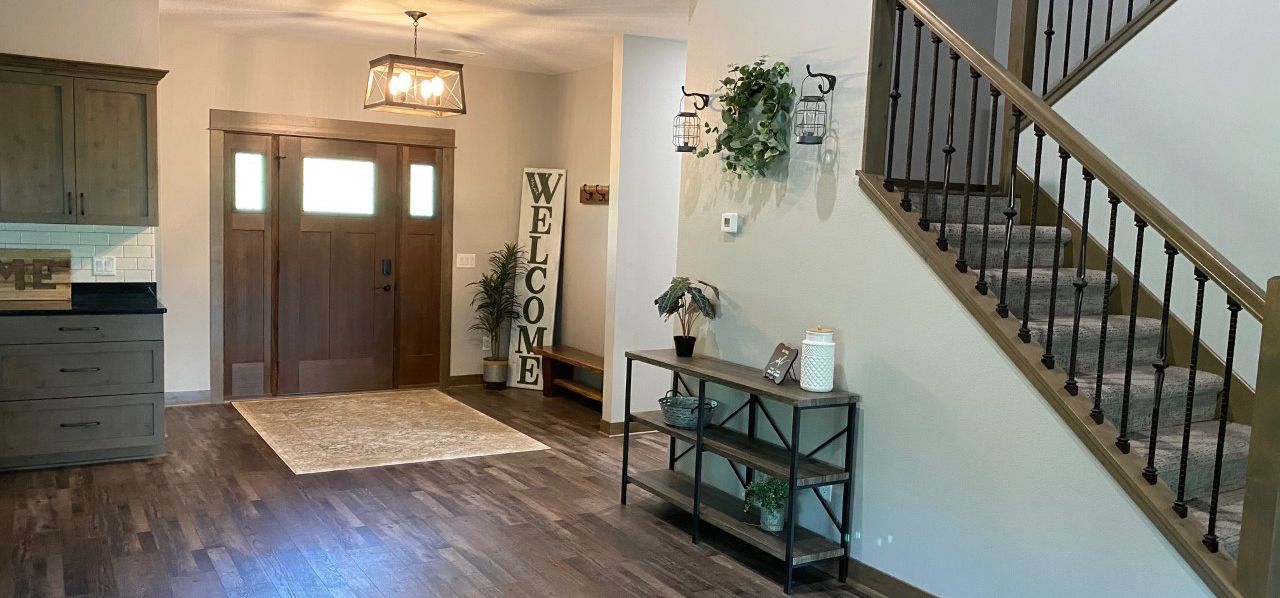
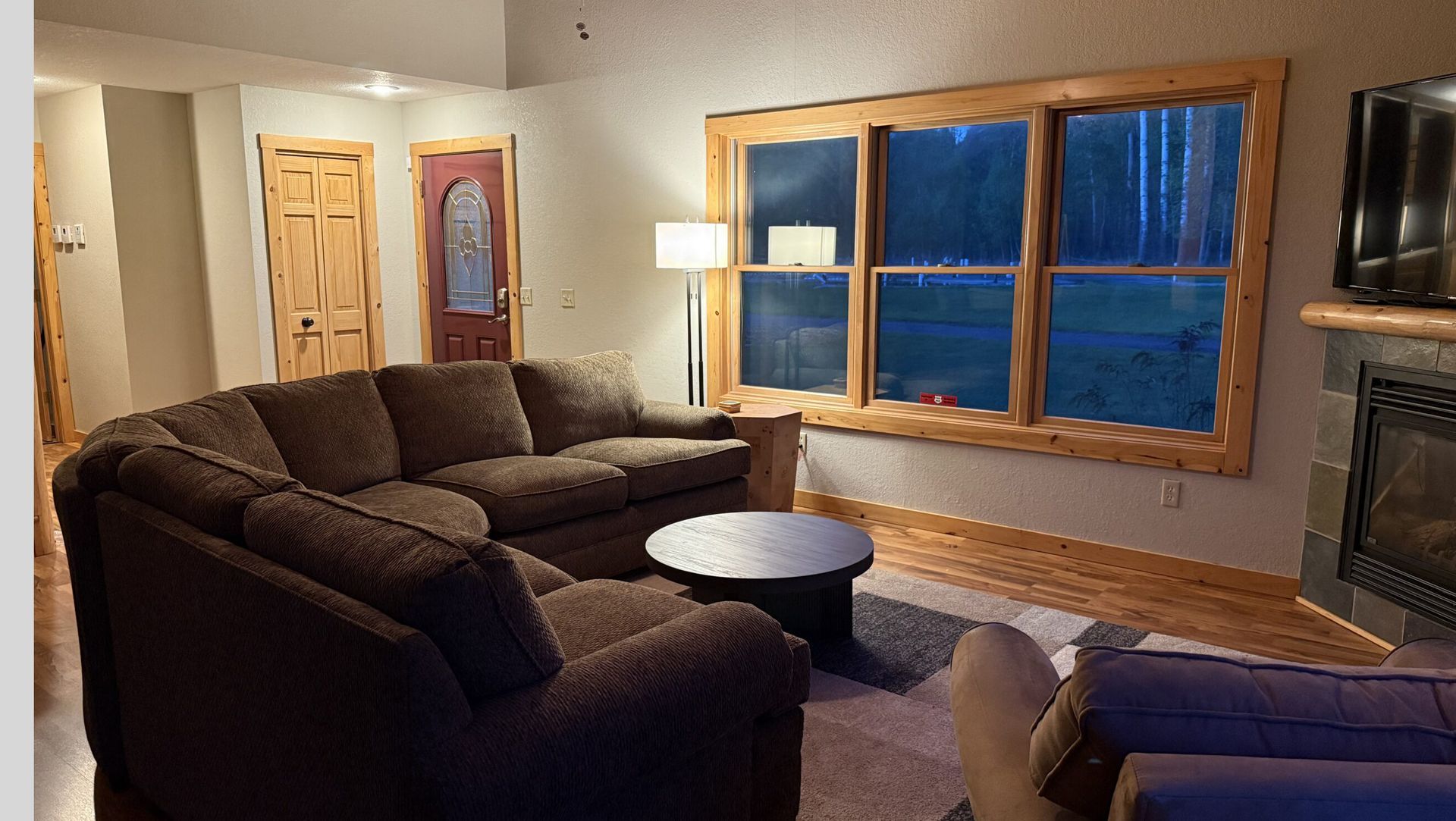
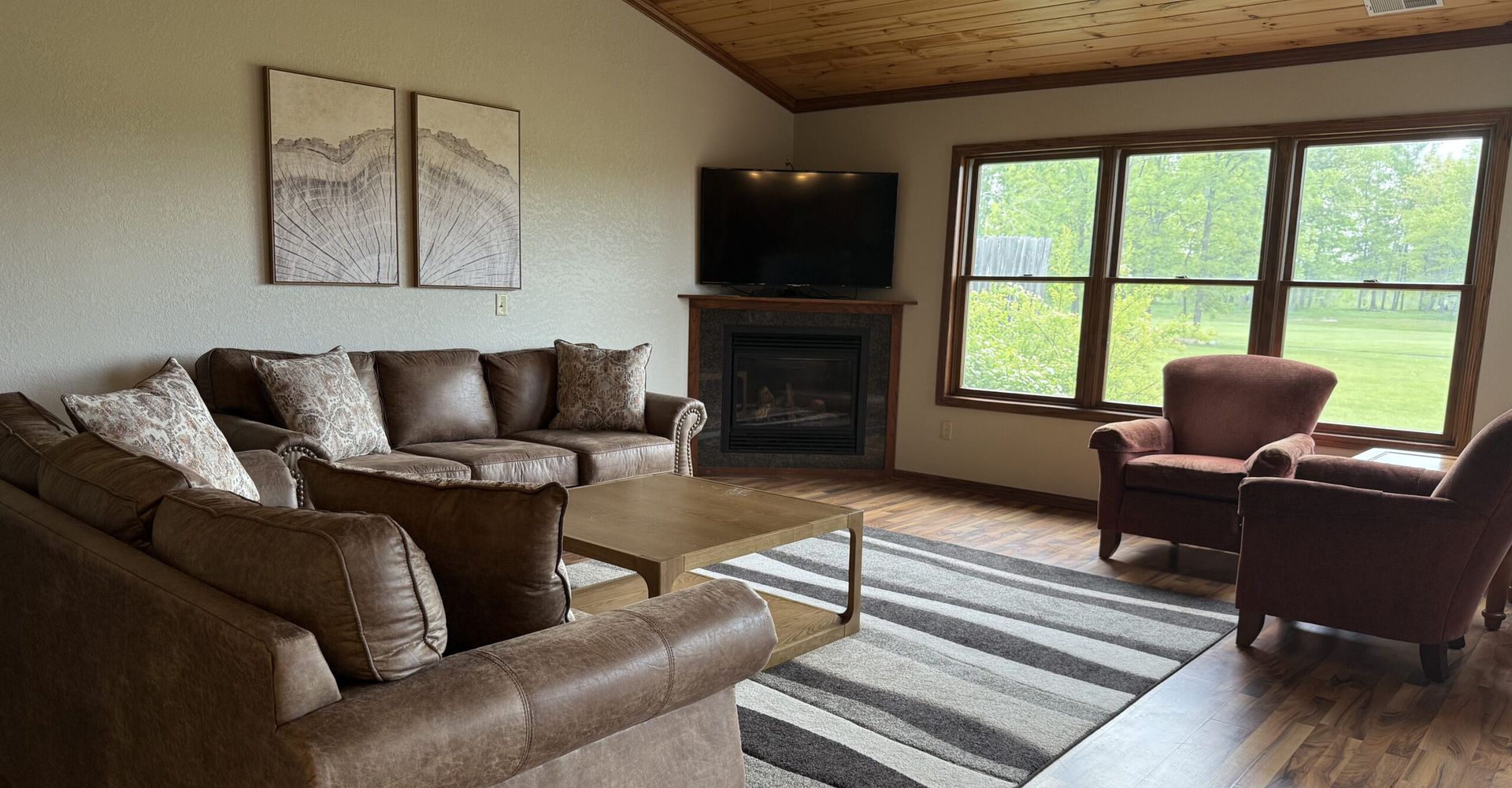
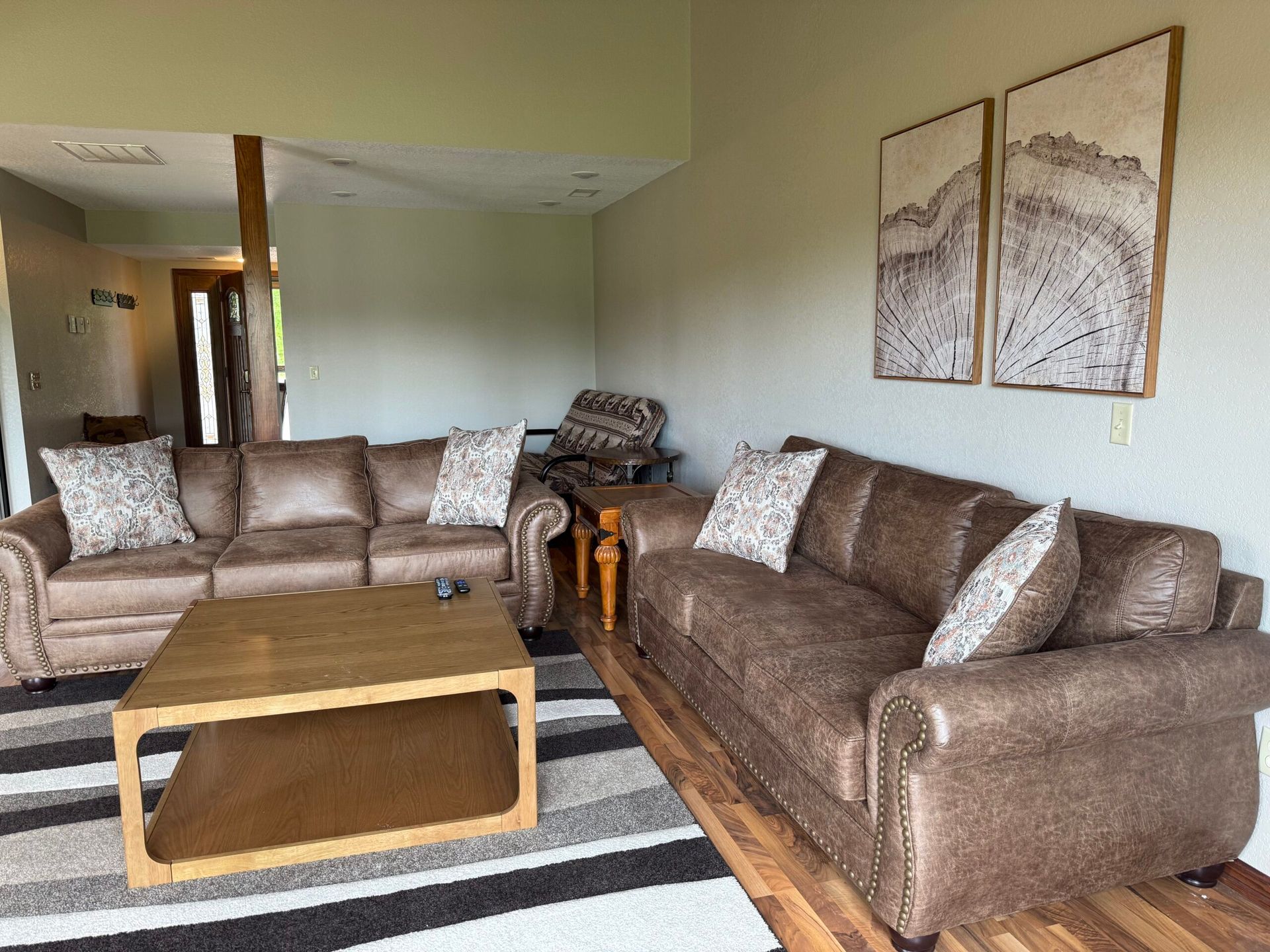
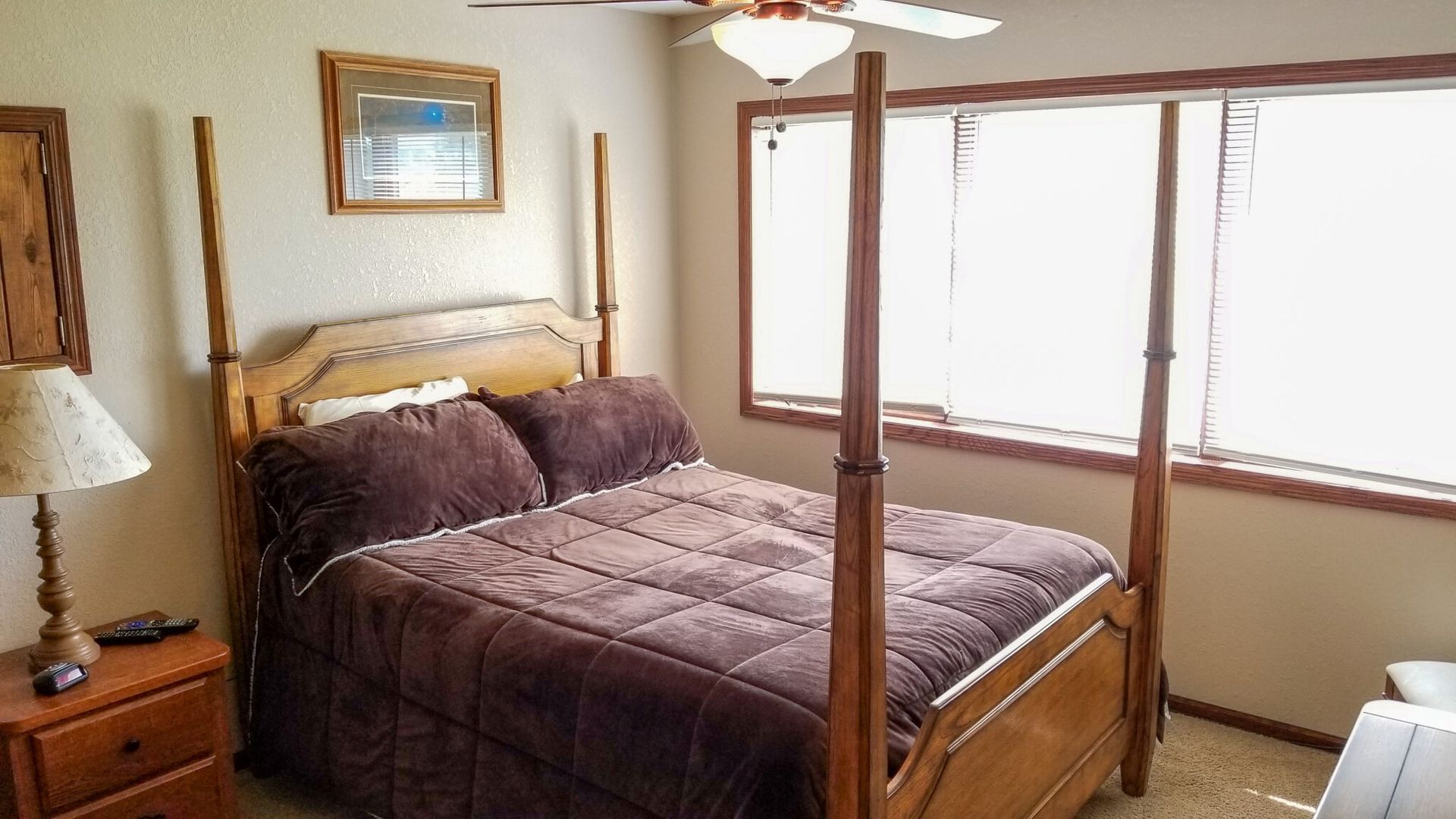
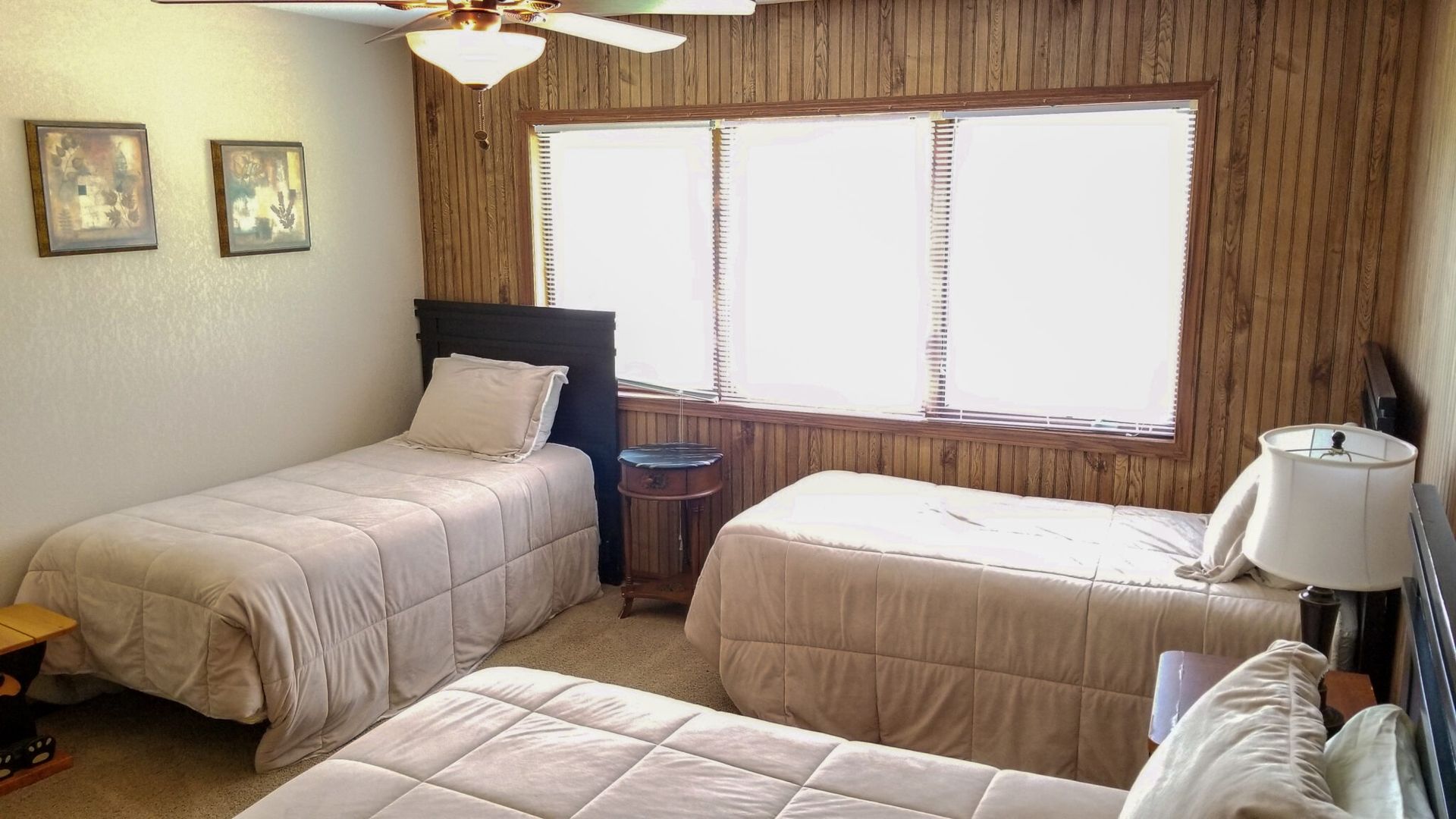
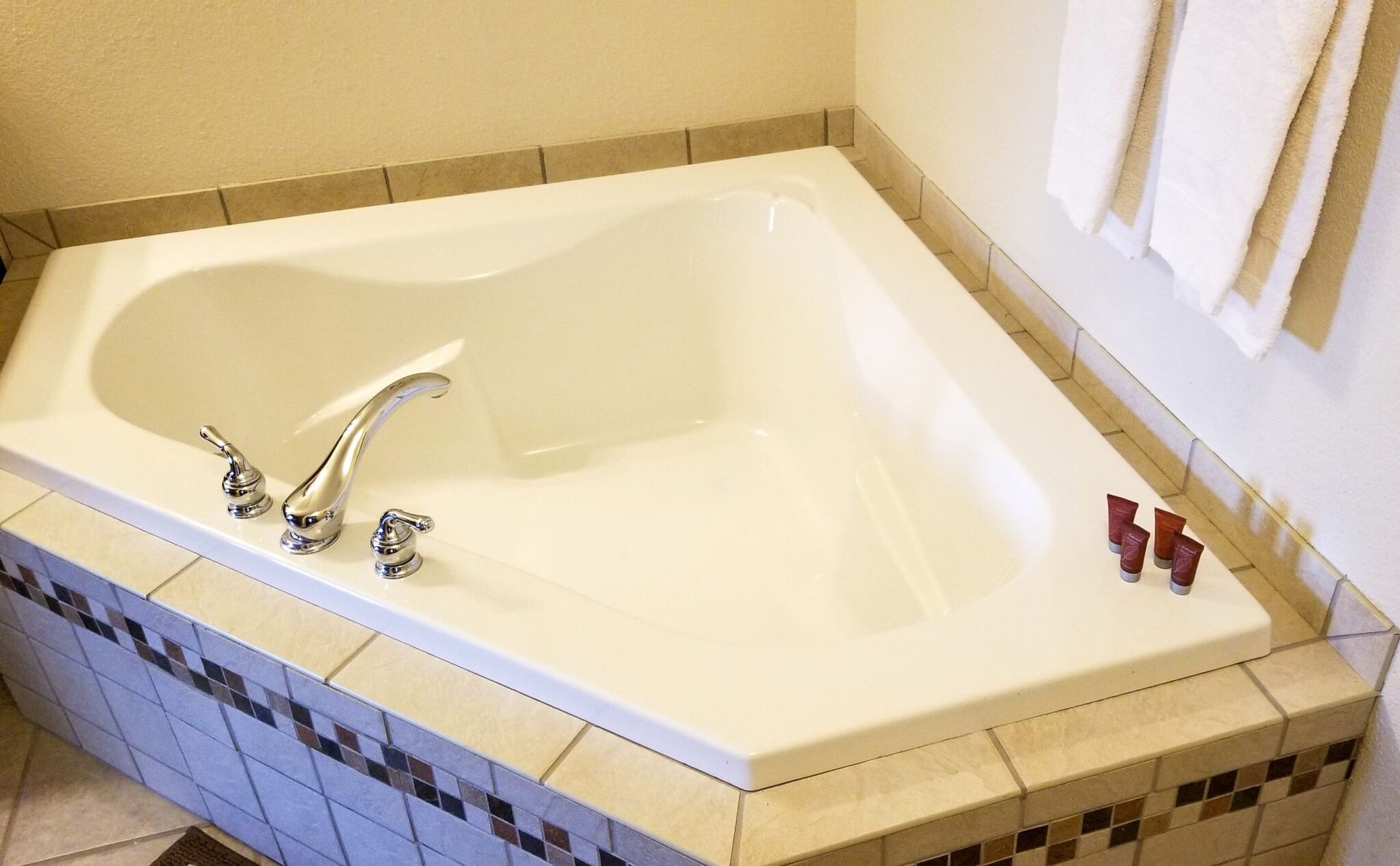





More Articles about our Community Cornerstone: Minnesota National Golf Course (formerly Savanna Golf Course)
2001 - Big shots, tension mounts
July 31, 2001 • Voyageur Press
It took five extra holes to decide the winner of this year’s Oldsmobile Scramble Golf Tournament, held at Savanna Golf Course. After eighteen holes of golf, the four members from Greenhaven Golf Course in Anoka, and a local McGregor team, were tied with scores of 55. This set the stage for some excellent drama, on what turned out to be, a very warm afternoon. Mark Bohn, Rick Passer, Mike Wayrynen and Tom Tassinari found themselves in contention, after they shot an eighteen-hole, best ball score of 61. With their six handicap, their final score was 55. In the group right behind them was the team from Greenhaven. Mike Sornson, Al Omdahl, John Knoop and Wally Jones shot a 63, with a team handicap of eight, they had a score of 55 as well.
The key hole for the Greenhaven group came on number two, their final hole in regulation play. Al pointed out that they would not have made the play-off round if it hadn’t been for the final three shots by Mike Sornson. “Mike hit the drive, the approach and the putt on the final hole,” he said. The birdie occured on the hardest hole on the golf course. Not only did the team birdie it on the second nine, but they birdied it the first time around as well. “It was a mirror image both times,” said Mike. The team also credited Wally Jones with an excellent chip on number nine. He chipped to within four inches of the cup for an easy tap in.
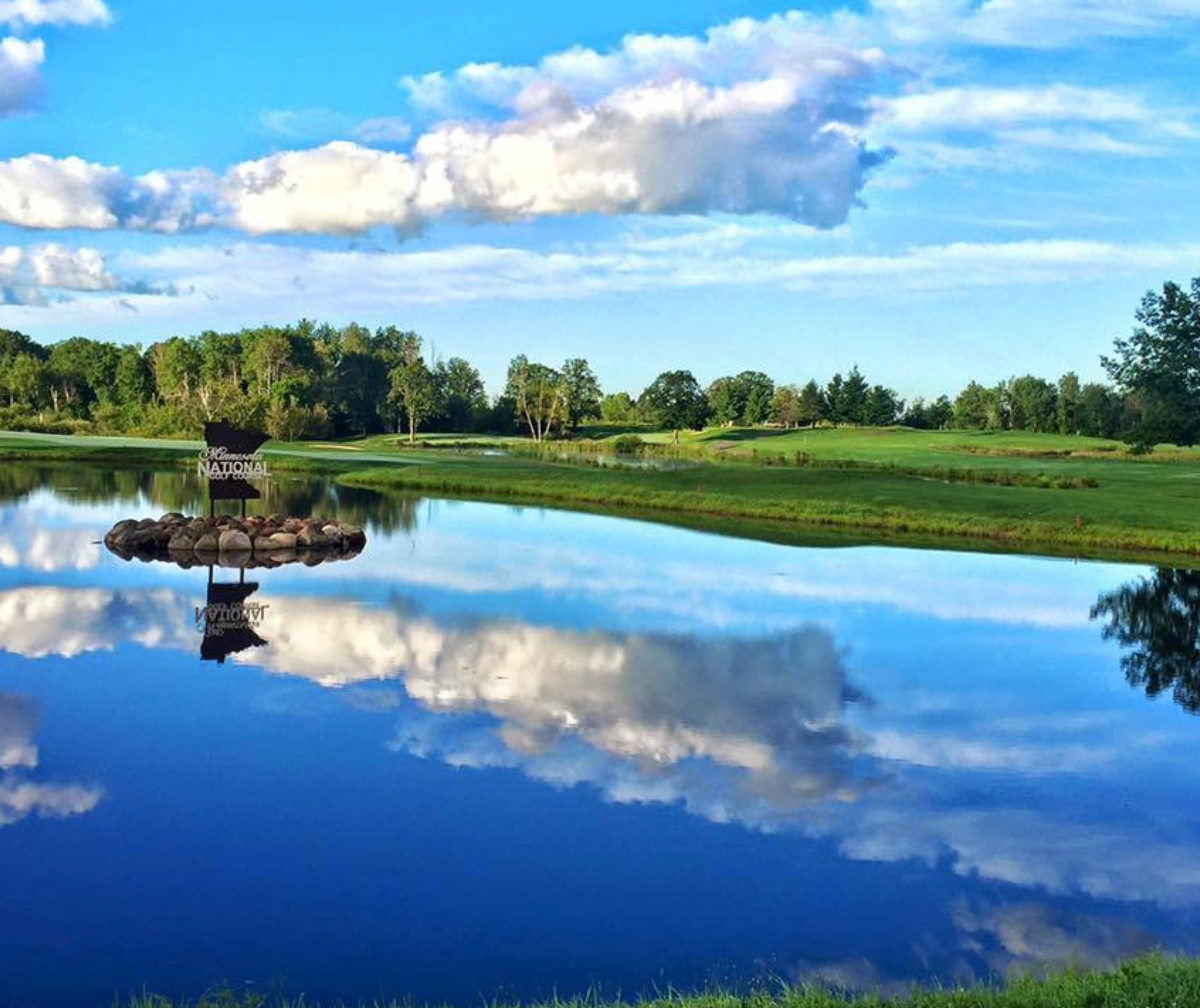
The play-off drama began with outstanding shots by both teams. Play began on hole number two and the shot-making started right off the tee box. Both teams finished with drives that landed just a few feet from the pond. This left about 130 yards to the very difficult, number two green, a sloped green that can present some extrememly difficult putts.
The McGregor team was the furthest away from the green and began their approach shots first. Mark Bohn started off by sticking a fantastic shot that landed about five feet from the hole. There wasn’t a better shot by his teammates, so it was Greenhaven’s turn. They answered with a shot that was comparable, but it was nine feet away. Even though the two shots were good ones, the putts would still be challenging.
A large audience had gathered at this point. Everyone was pretty confident that this hole would decide the outcome. Wally Jones stepped up for the Greenhaven team and sank the nine foot putt, putting the pressure on the McGregor team. The tesions really escalated after the first three McGregor golfers missed their putts. The do-or-die putt came down to Tom Tassinari, who calmly stepped up and dropped it in the middle of the cup. His advice to his teammates, “It would be best not to do that again,” and play continued to hole number three.
The par five, 547 yard hole would take three shots to make the green. Mark Bohn stayed hot and hit the next two shots right down the middle, keeping the pressure on Greenhaven.
Meanwhile, the team from Greenhaven ended up in the left rough, but managed to scramble back with two nice shots to the green, leaving a makable putt. Then Wally stepped up with the putter again sinking the putt for a par.
Mike Wayrynen followed with an excellent putt for the McGregor team and everyome was off to hole six, another long par five.
Again, the team from Greenhaven took a round-about way of getting to the green, but eventually ended up 80 yards off to the right. The next two approach shots for Greenhaven both hit the green, but neither of them were close. This opened the door for the McGregor team. They set themselves up nicely by cruising right down the middle of the fairway. Mike Wayrynen hit the second shot that left them 50 yards out with an excellent look at the pin. Unfortunately, the first shot was scalded, the next two shots were short and the next shot went over leaving a chip from the fringe.
It didn’t matter, because Greenhaven two-putted and McGregor needed two shots as well to finish the hole. Play moved to number one. This time Rick Passer stepped up and hit a lengthy drive for his team right down the middle of the fairway. But, as had been the case on every other hole, the opposition matched it with a great drive of their own. The approach shots by both teams ended up leaving long putts that were similar distances away. After several close putts, neither team could finish the match.
After four play-off holes, the teams were still at a draw, so PGA golf professional, Kent Baril, announced that play would return to hole two and, if it wasn’t decided there, they would have a chip-off.
No chip-off was necessary.
After both teams hit acceptabe drives, neither team could find the green, unlike the first attempt on this hole. Both teams ended up just off the fringe below the hole. McGregor lead off, but were unsuccessful in their attempt to get a good chip that was closer than six feet.
It was John Knoop that almost ended the match there. He hit his 30-foot shot just left of the hole about an inch away. This meant McGregor was in the same exact situation – one of the four would have to sink the putt.
Unfortunately, the local team ran out of big shots, and the team from Greenhaven advanced to the Sectionals that will be held August 23rd at Pokegama Golf Course in Grand Rapids. The top two teams at this event will move on to Nationals to be played at Walt Disney World in Florida from October 3rd-7th.
2001 - Terwey sinks Hole-in-1
August 21, 2001 • Voyageur Press
“I think you’re going to like that shot,” said Don Terwey, after his wife Pudge hit a driver off the seventh tee at Savanna Golf Course near Palisade. Pudge Terway was golfing with her husband and two friends, Linda and Kenny Holmstrand, on Thurs., Aug. 16. The par three number seven hole is 150 yards and the green is not visible from the tee box. So, the outcome of most shots are not known until everyone hits and heads up the hill. At first, Pudge figured her ball was in the direction of the water. After Don and Ken searched around the green, Don eventually looked in the hole and there it was — a hole-in-one.
This is the first career hole-in-one for Pudge. She is a recreational golfer and just joined the Savanna Flyers Golf League last year. The only other hole-in-one this year was by Duane Walberg from Rogers, MN. This also occurred on number seven.